
What are some hidden gems in Berlin?
Exploring the German capital reveals island reserves, specialized museums, subterranean bunkers, and historic ruins outside standard travel itineraries. Travelers find that discovering hidden gems in Berlin offers direct access to local history, industrial heritage, and neighborhood art spaces integrated into the urban landscape.
10 hidden gems in Berlin
The following selected locations highlight the architectural diversity and cultural depth found across various Berlin districts. Residents and attentive visitors frequent these sites to experience historical preservation, public art, and regional traditions away from heavy tourist traffic:
1. Teufelsberg
1. Teufelsberg
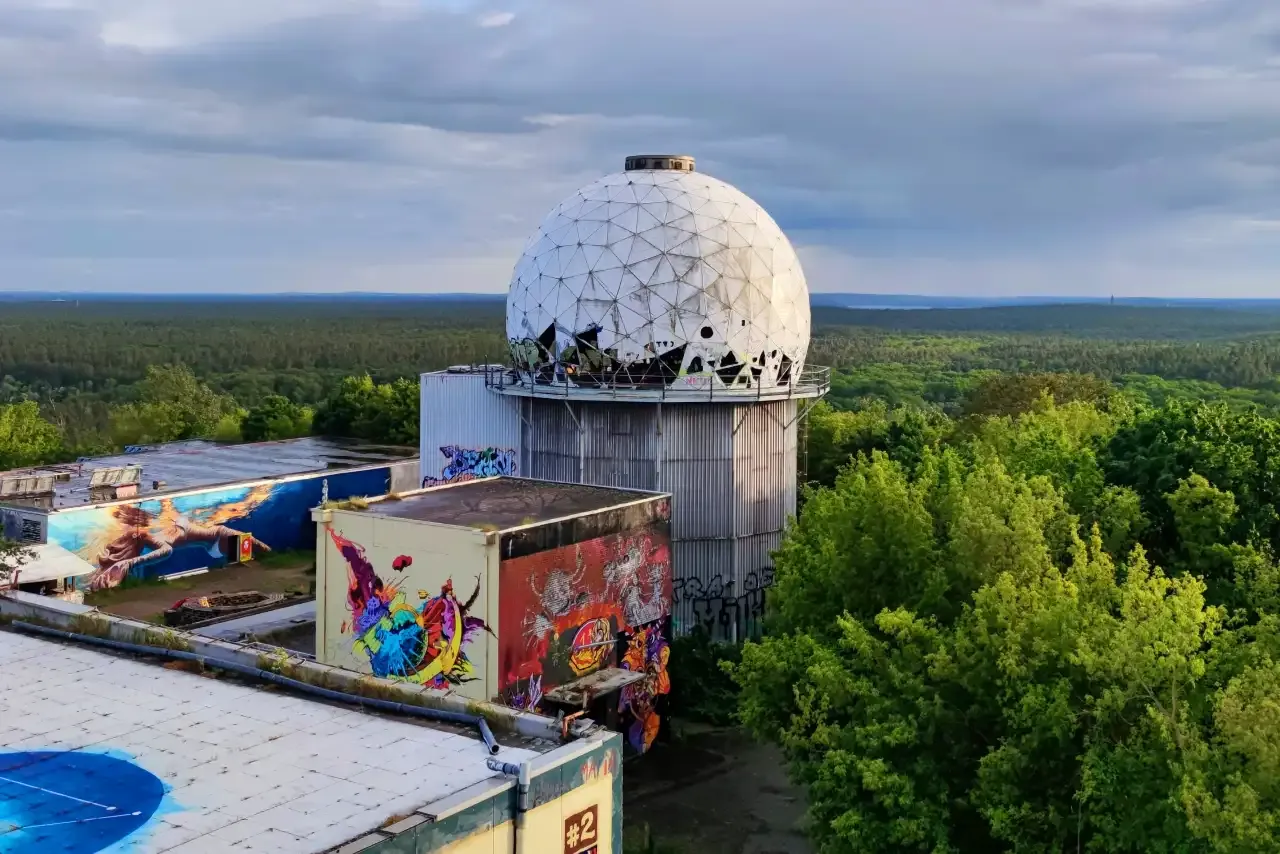
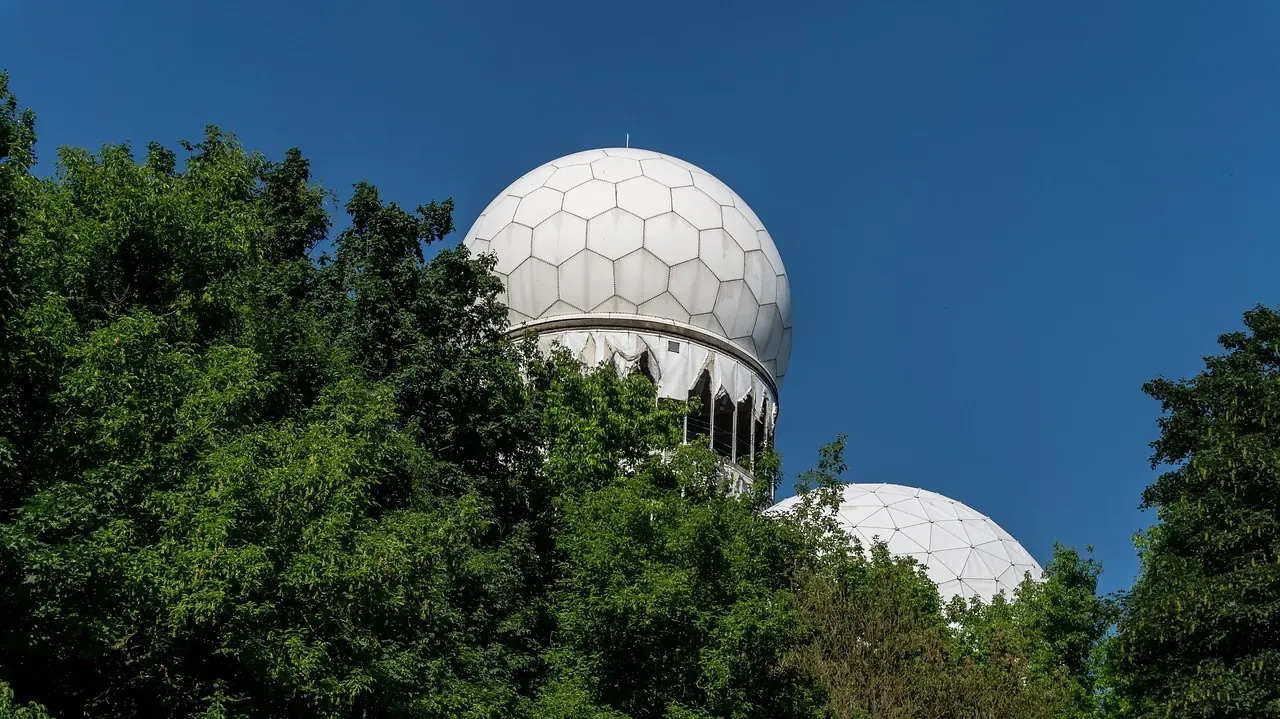
Teufelsberg consists of an artificial hill built on war rubble, which supports an abandoned Cold War listening station. The site stands out as one of the hidden gems in Berlin because it combines military history with street art. Local creators use the former radar domes as canvases for murals. People ascend the hill to observe the ruins and obtain panoramic views of the Grunewald forest.
The interior acoustics create a specific echo that visitors explore. It is advisable to tour the complex during the afternoon in spring or summer. The sunlight illuminates the artworks, and the mild weather facilitates the walk along the forest trails without encountering large crowds.
2. Spreepark
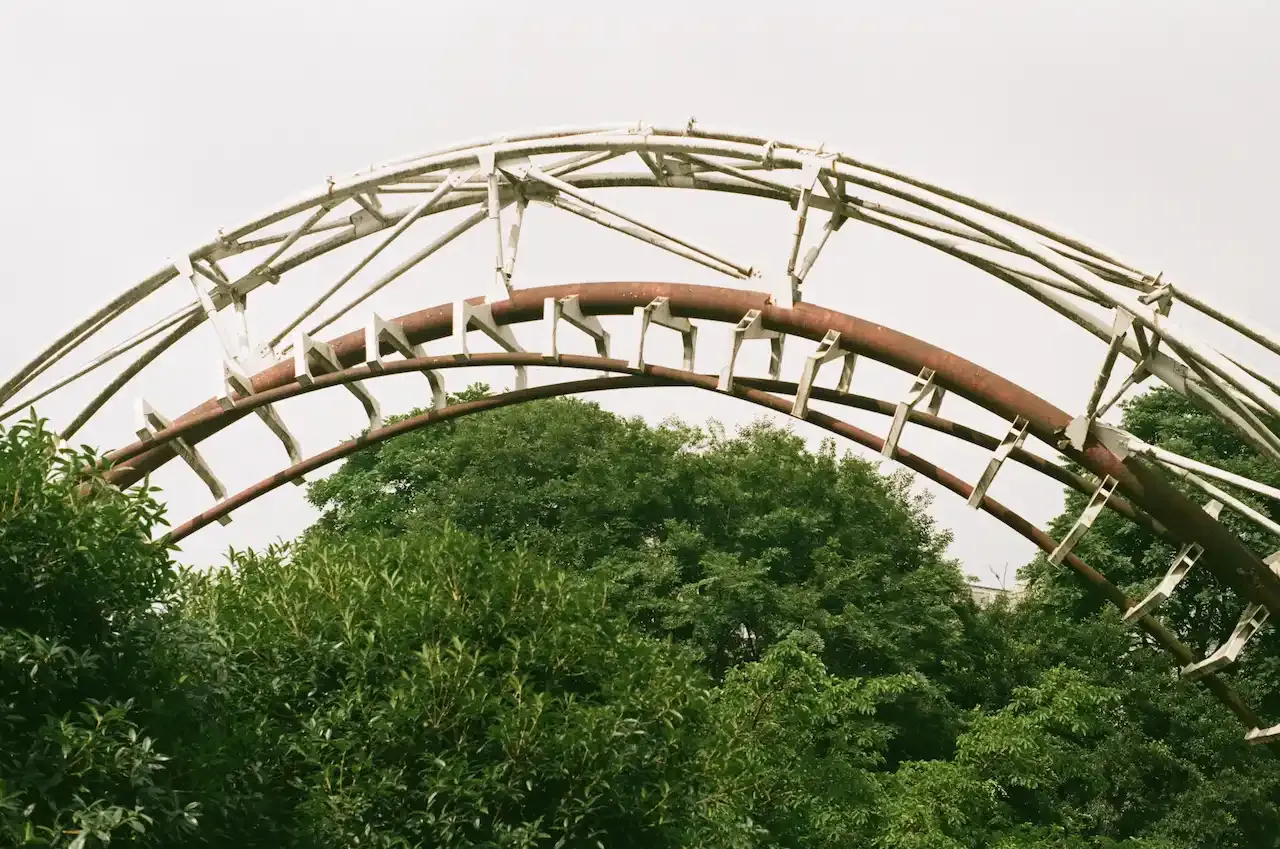
Spreepark is an abandoned amusement park in Treptow-Köpenick that operated during the East German era. The site functions as one of the hidden gems in Berlin due to the presence of roller coasters, dinosaur figures, and a giant Ferris wheel that nature gradually consumes. The current administration organizes guided tours that explain the development and closure of the space.
The atmosphere of structural decay attracts photographers and urban history enthusiasts. Visitors should schedule their trip during summer weekends. During this time, guides open the access gates, and people observe the direct contrast between the former entertainment structures and the wild flora that dominates the terrain naturally.
3. Sammlung Boros
3. Sammlung Boros
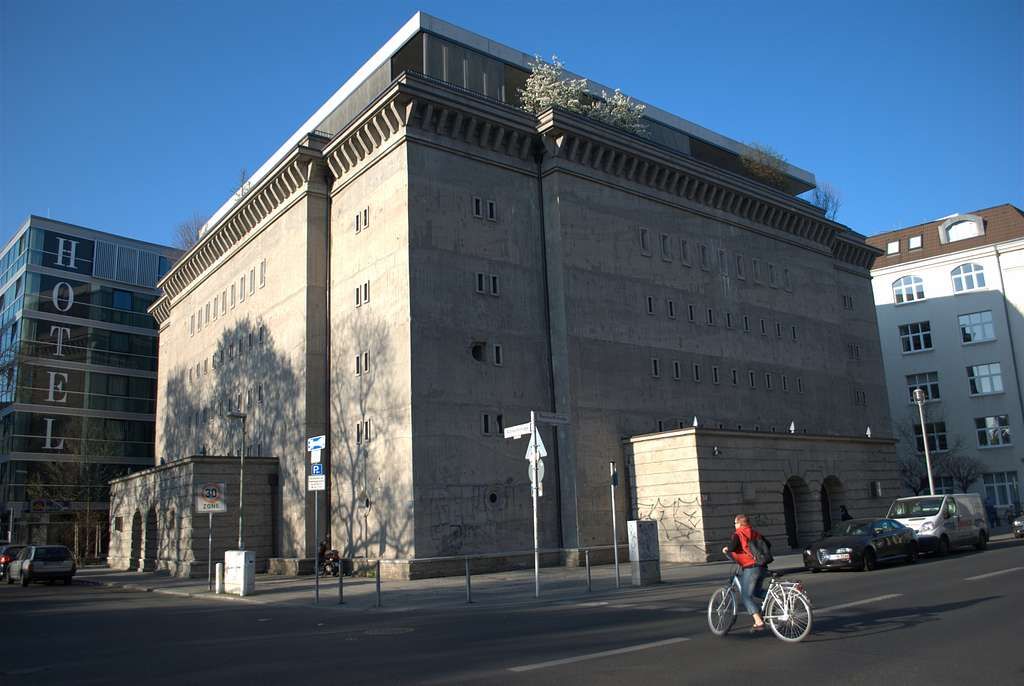
Sammlung Boros occupies a former anti-aircraft bunker in the Mitte district that currently houses a private contemporary art collection. The building operates as one of the hidden gems in Berlin by transforming a concrete military structure into an exhibition space. The thick walls and enclosed rooms create an environment that highlights the light installations.
Access requires prior registration through their online system. Guides recommend touring the bunker during the winter months. The indoor activity provides a cultural refuge against the cold weather. Additionally, specialized tours allow attendees to understand the architectural transition of the building and the visual impact of the contemporary art pieces displayed inside.
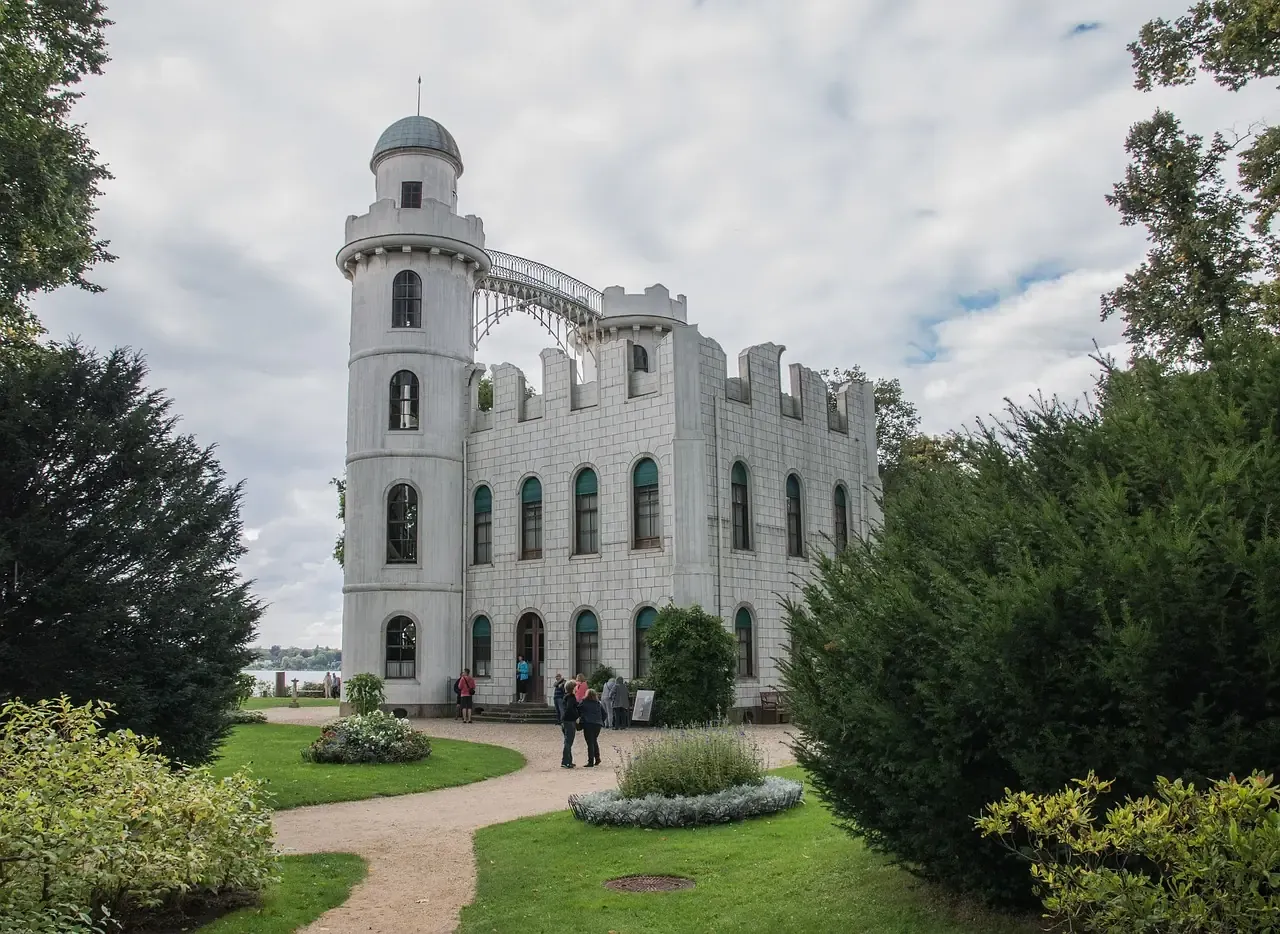
4. Pfaueninsel
Pfaueninsel sits in the Havel River within southwestern Berlin as a protected nature reserve and UNESCO World Heritage location. Prussian kings constructed a secluded summer residence on the island alongside landscaped gardens. The site qualifies among the hidden gems in Berlin because ferries limit visitor access, which preserves a quiet environment where free-roaming peacocks walk among historic structures.
The island contains a white palace, a dairy farm, and botanical species brought from various continents during the 19th century. Travelers benefit most from visiting between May and September. During these warmer months, regular ferry services operate continuously, flora blossoms across the parkland, and outdoor walking paths remain fully accessible without winter restrictions.
5. Haus Schwarzenberg
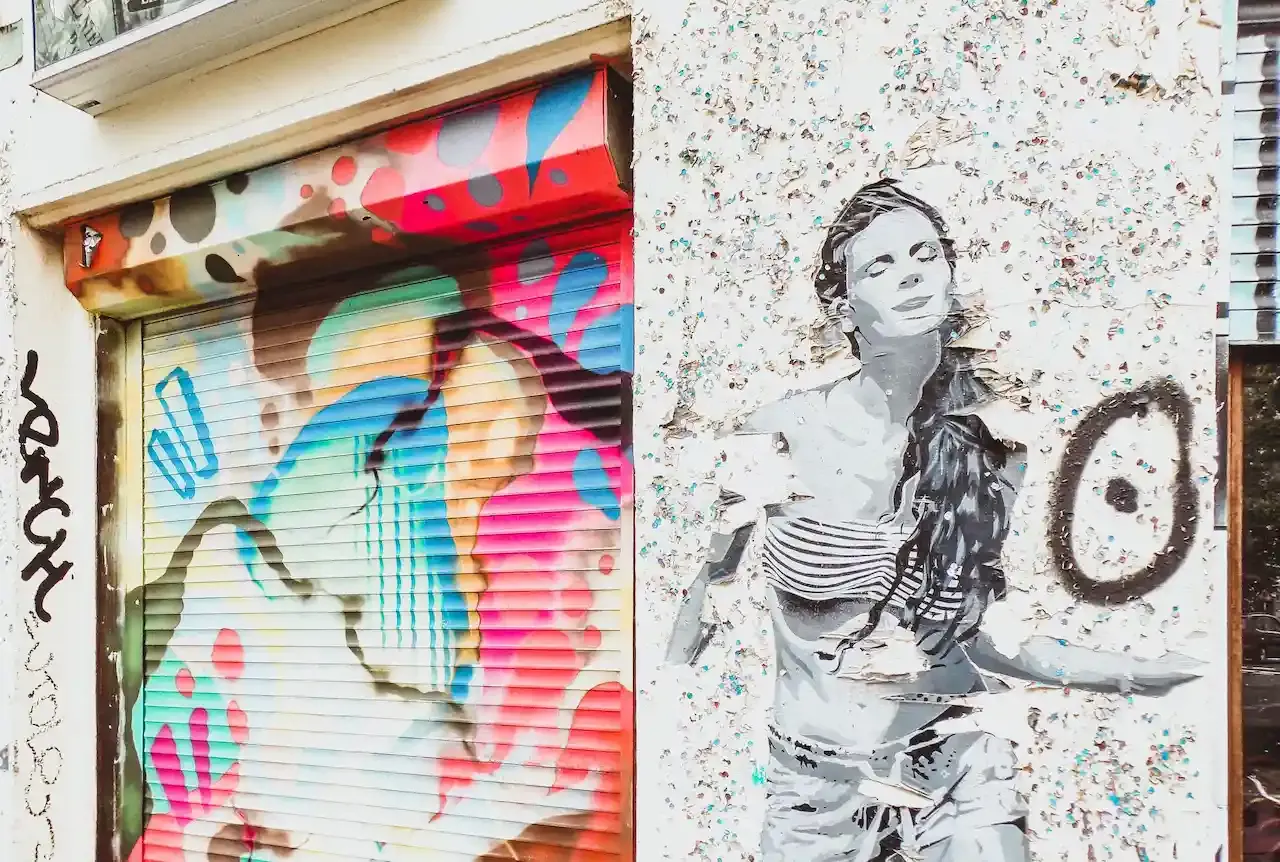
5. Haus Schwarzenberg
Haus Schwarzenberg forms a non-profit cultural courtyard situated directly beside the restored Hackesche Höfe in Mitte. Independent artists manage the alleyway, which houses galleries, a cinema, and street art installations. The location stands as one of the hidden gems in Berlin because it maintains the raw aesthetic of nineties East Berlin while surrounding commercial areas modernised.
The courtyard walls feature layered graffiti, iron sculptures, and historical plaques detailing resistance movements during World War II. People should visit during late afternoon hours throughout the year. Daytime light allows clear observation of street murals, while evening hours open the indoor exhibition spaces, independent shops, and underground music venues located within the complex walls.
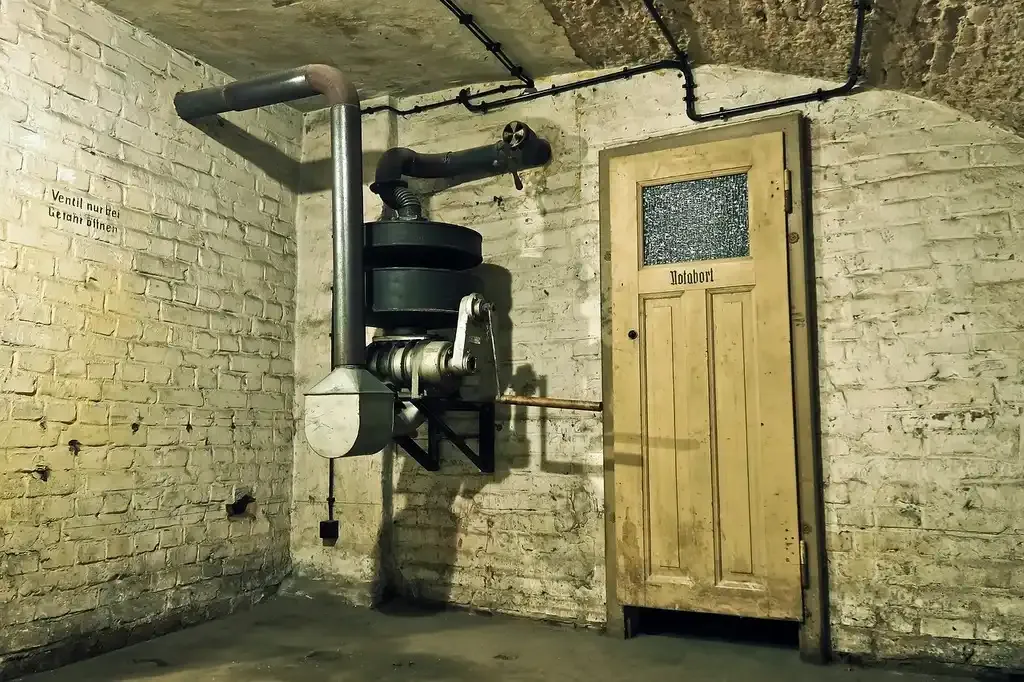
6. Berliner Unterwelten
Berliner Unterwelten operates guided underground tours through subterranean civil defense shelters, railway tunnels, and Cold War bunkers across the city. The organization conducts historical research from its main office near Gesundbrunnen station. The network counts among the hidden gems in Berlin due to its preservation of subterranean structures that standard city tours omit.
Visitors descend beneath street level to examine preserved gas masks, communication systems, and escape shafts used during ideological conflicts. Booking a tour during autumn or winter proves ideal, as subterranean temperatures remain constant year-round while outdoor cold weather makes indoor historic exploration comfortable. The educational tours require advance online ticket purchases.
7. Viktoriapark
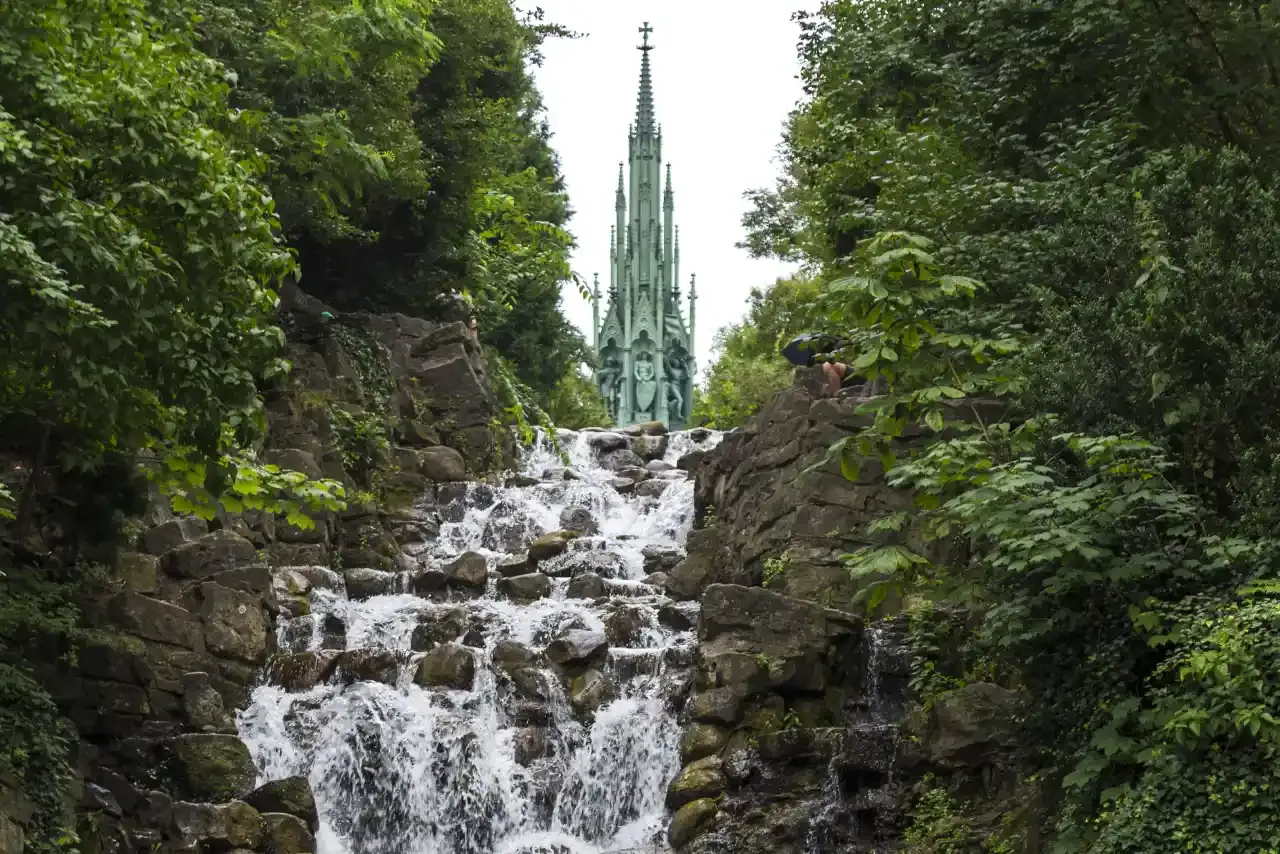
7. Viktoriapark
Viktoriapark occupies a central hill in Kreuzberg and features a 50-ton cast-iron national monument designed by Karl Friedrich Schinkel. An artificial waterfall flows down 60 meters over granite rocks toward Grossbeerenstrasse. The park ranks among the hidden gems in Berlin because it offers a mountain landscape experience within an urban neighborhood setting.
Local residents gather along the hillside slopes to view sunset reflections across south Berlin. Visiting during spring or early summer proves most beneficial. Spring melt and seasonal maintenance increase water flow down the waterfall steps, while lush foliage surrounds the walking paths. The elevated monument terrace remains open daily without admission charges.
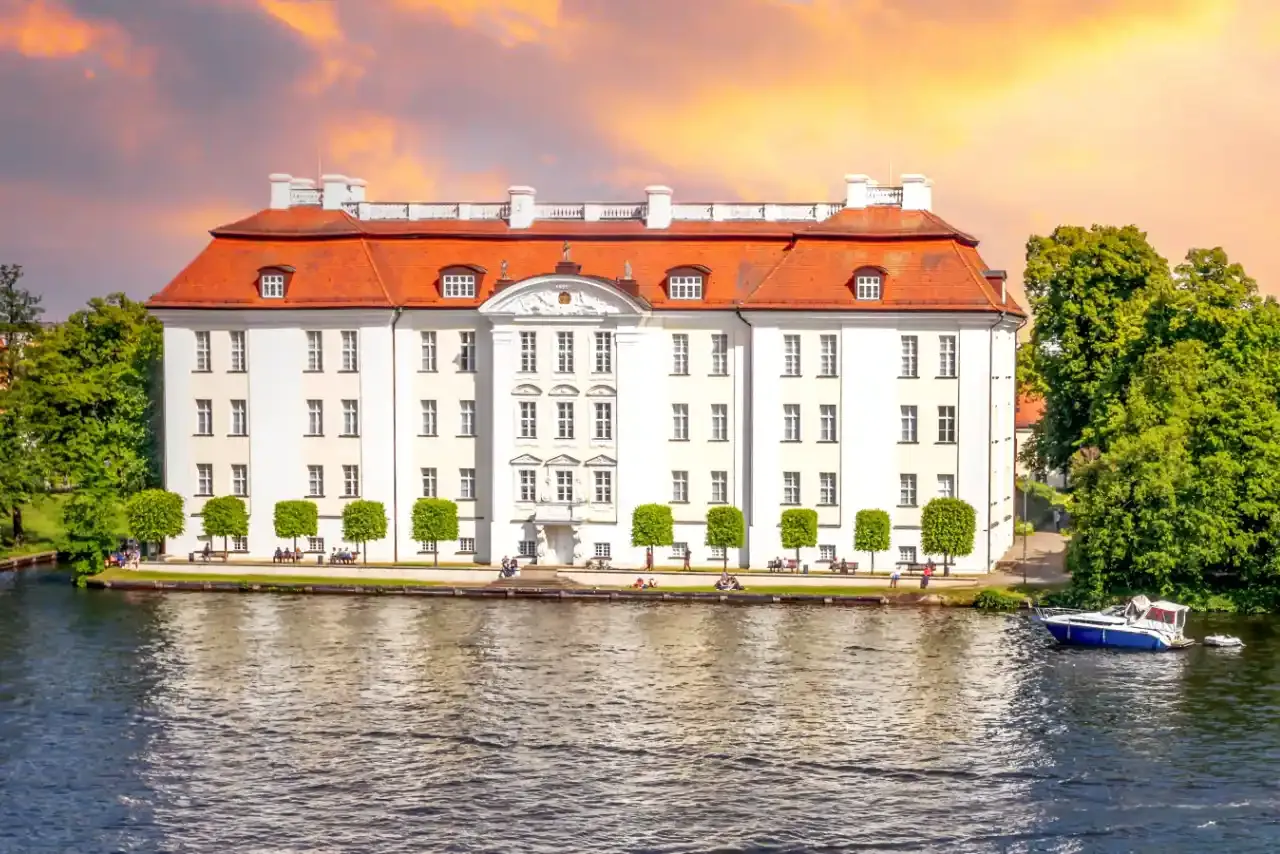
8. Schloss Köpenick
Schloss Köpenick rests on an island in the Dahme River within the southeastern district of Köpenick. Surrounded by a public park, the 17th-century baroque palace houses the Museum of Decorative Arts. The location ranks among the hidden gems in Berlin because its outer district location keeps visitor numbers lower than central museum island venues.
Visitors view silver tableware, carved wooden furniture, and baroque plasterwork inside restored ceremonial rooms. Visiting during summer mornings allows travelers to combine museum exploration with walks around the river perimeter. The island setting provides quiet views of river boats, and local regional transport connects the palace directly to central transit hubs via tram routes.
9. Zionskirche
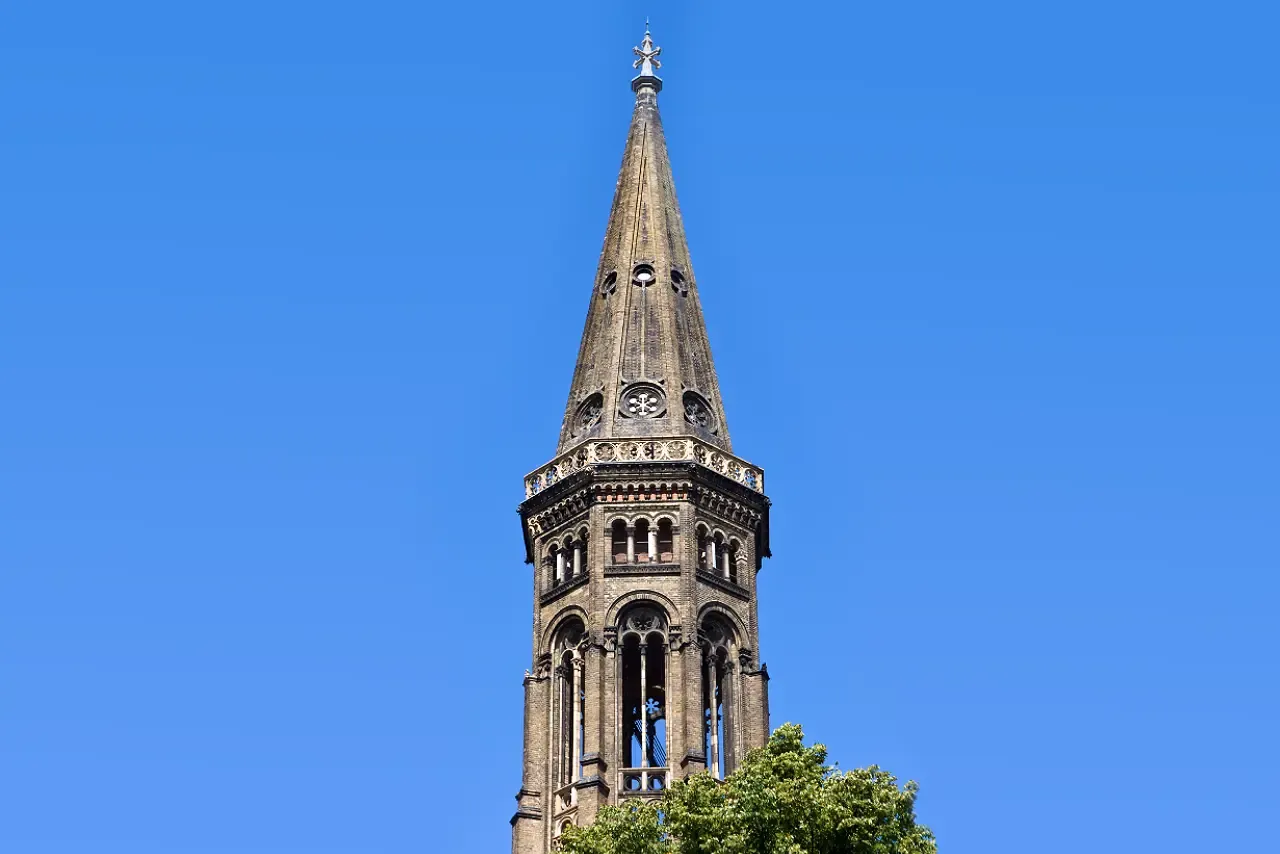
9. Zionskirche
Zionskirche stands atop the highest point in Prenzlauer Berg at Zionkirchplatz. Built in 1873, the brick church served as a site for political opposition during both the Nazi regime and East German rule. The location remains one of the hidden gems in Berlin because visitors can climb the 67-meter tower to obtain panoramic views without waiting in long tourist lines.
The interior contains unrestored interior walls that reflect historical damage and urban development over time. Travelers should schedule a visit on Sunday afternoons during summer. Tower access opens on Sundays, permitting visitors to ascend the narrow stairs and view the tree-lined streets of Prenzlauer Berg from the open-air bell tower deck.
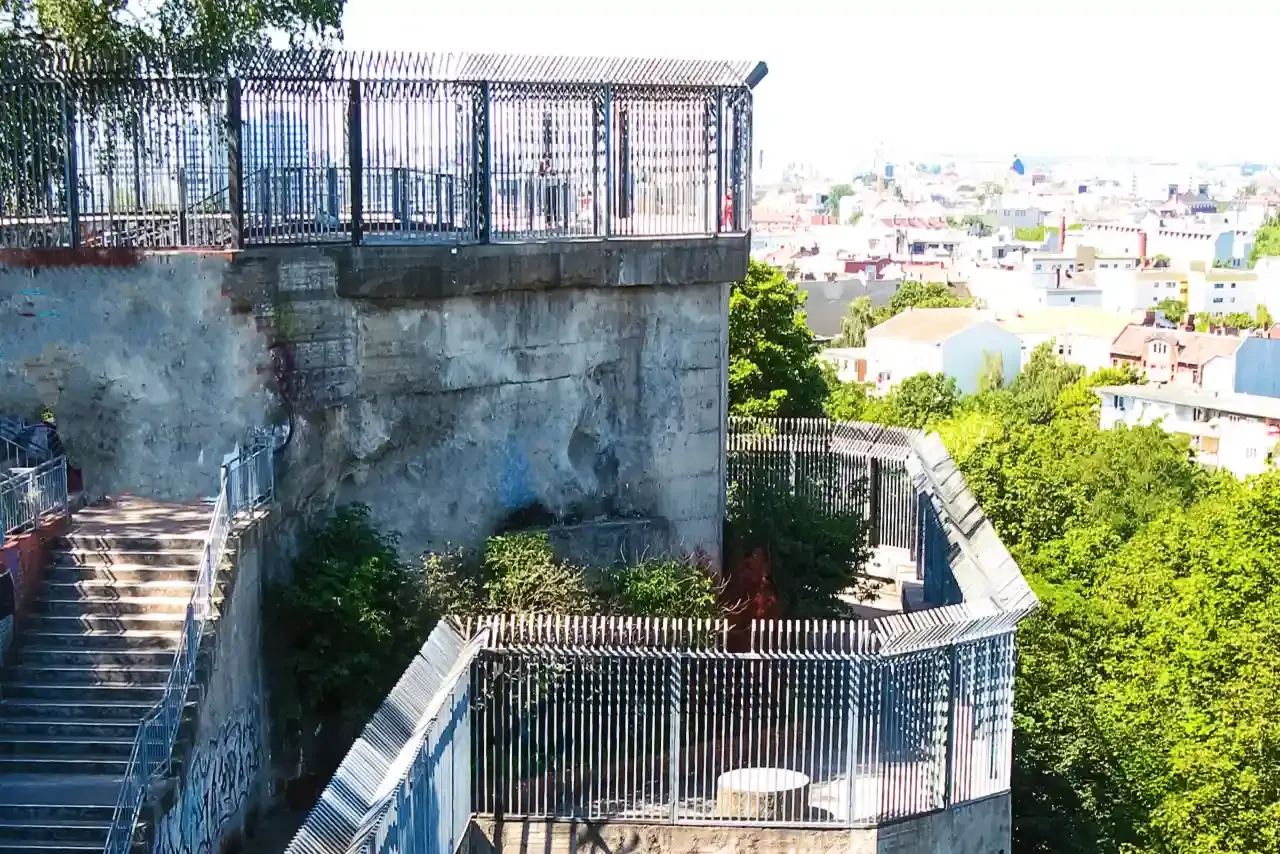
10. Flakturm Humboldthain
Flakturm Humboldthain stands as a partially ruined World War II anti-aircraft tower located within Volkspark Humboldthain in Gesundbrunnen. Allied forces attempted to detonate the concrete structure after 1945, leaving northern walls intact while debris formed a wooded hill around the perimeter. The site qualifies among the hidden gems in Berlin because it integrates military ruins into a public park, featuring an open observation deck at the top and outdoor rock-climbing routes along the exposed concrete exterior.
Visitors ascend stone stairs to view the northern city skyline. Planning a visit during late afternoon in summer or early autumn provides optimal conditions, as clear weather enhances panoramic views across the surrounding districts during sunset.
Other things to do in Berlin
Besides exploring the hidden gems in Berlin, travelers have the option to visit recognized tourist sites, such as the following:
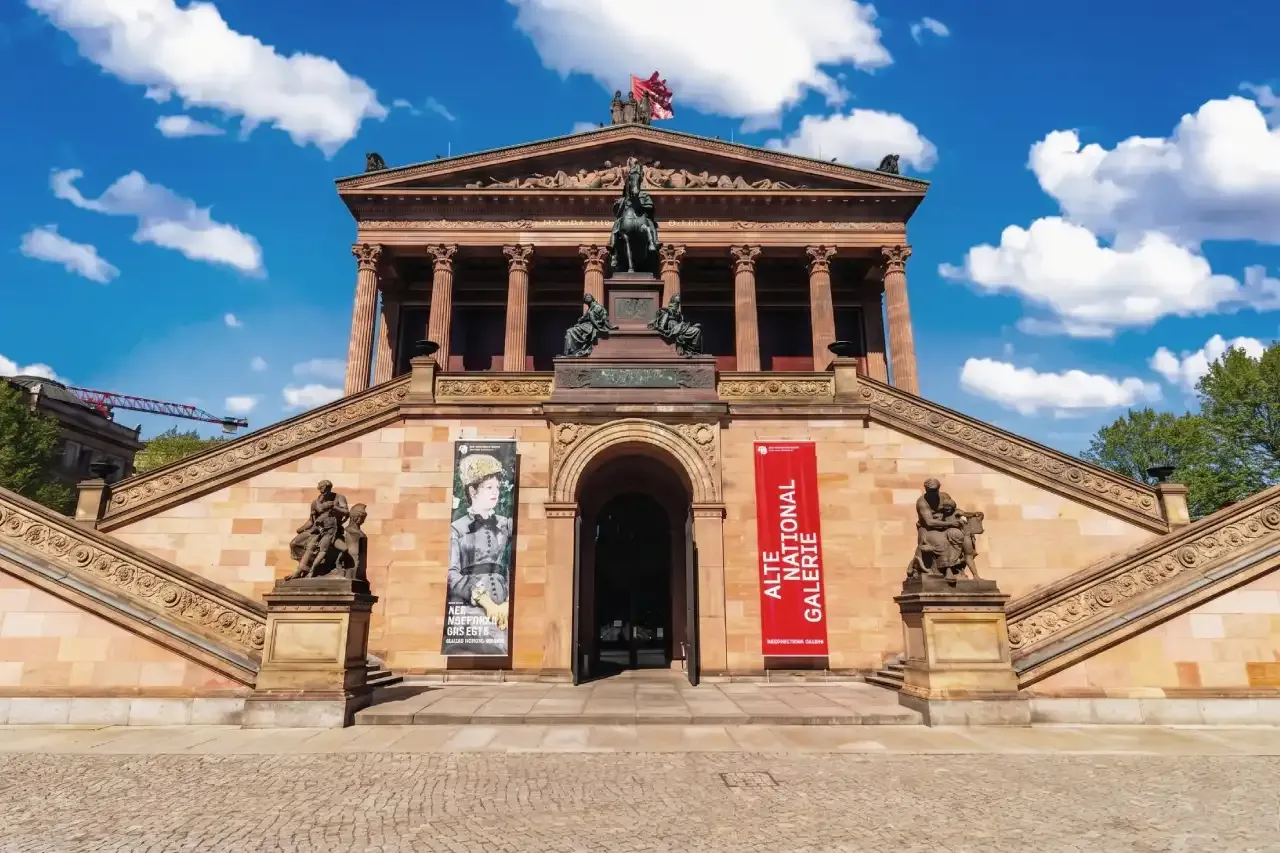
Alte Nationalgalerie
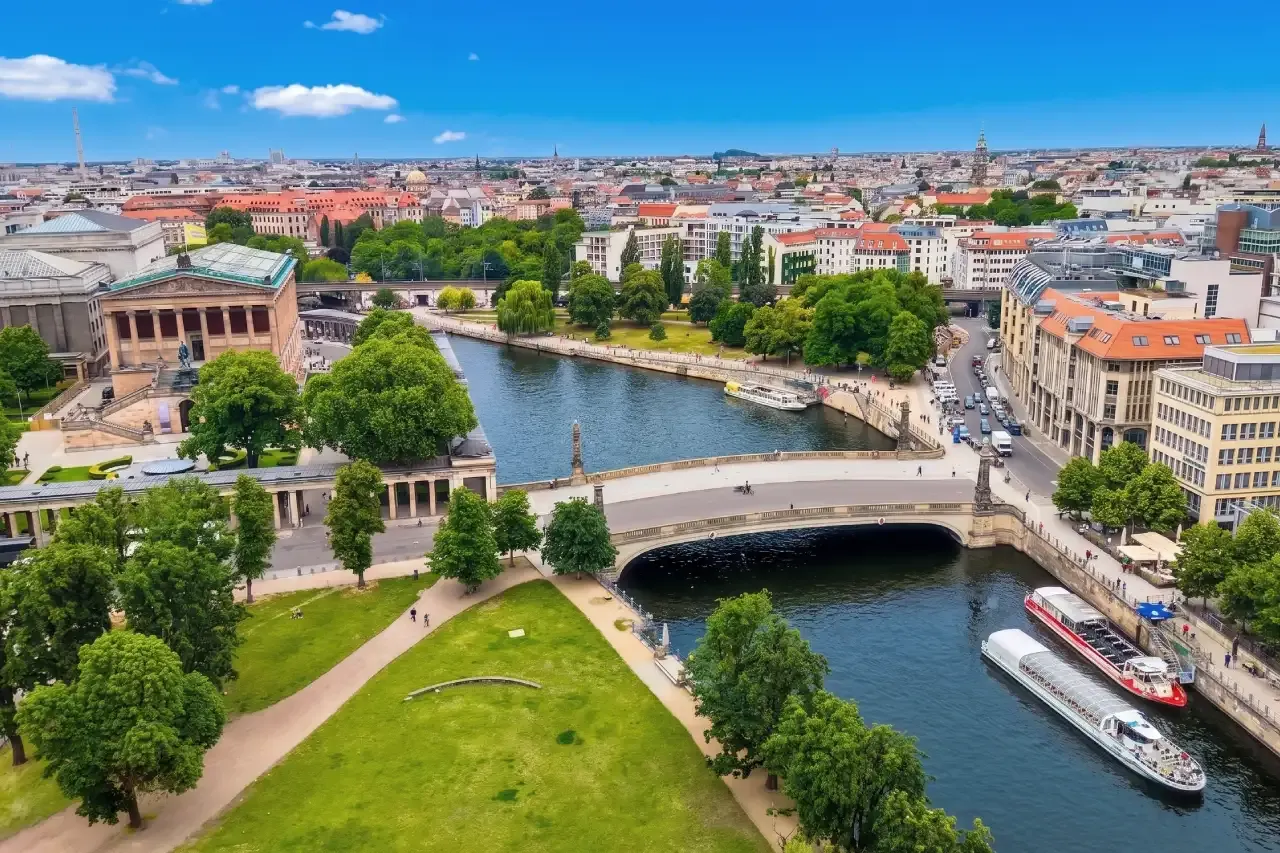
The Alte Nationalgalerie displays extensive collections of 19th-century European paintings and sculptures on Museum Island.
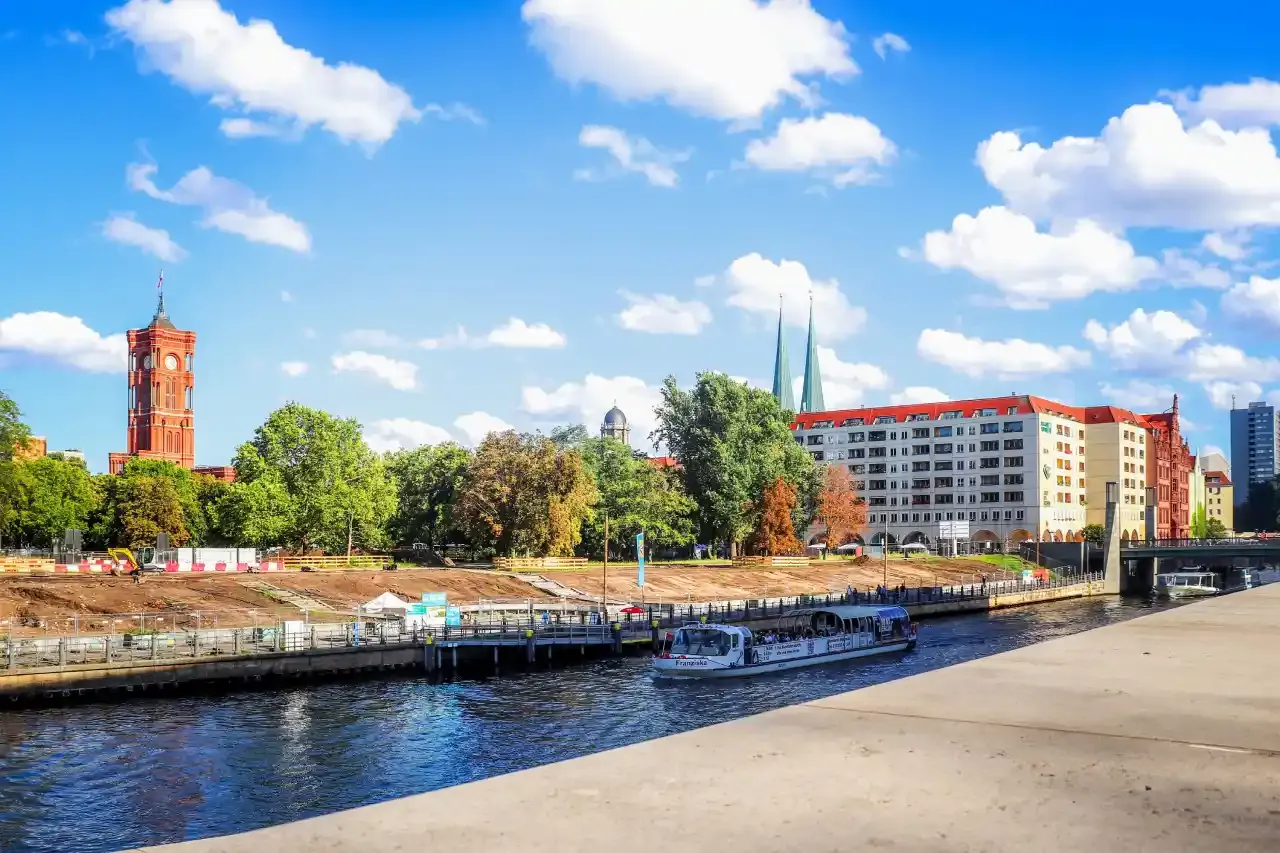
Berlin Cruises
Berlin Cruises provide a route along the Spree river to view the government and historical architecture from the water.
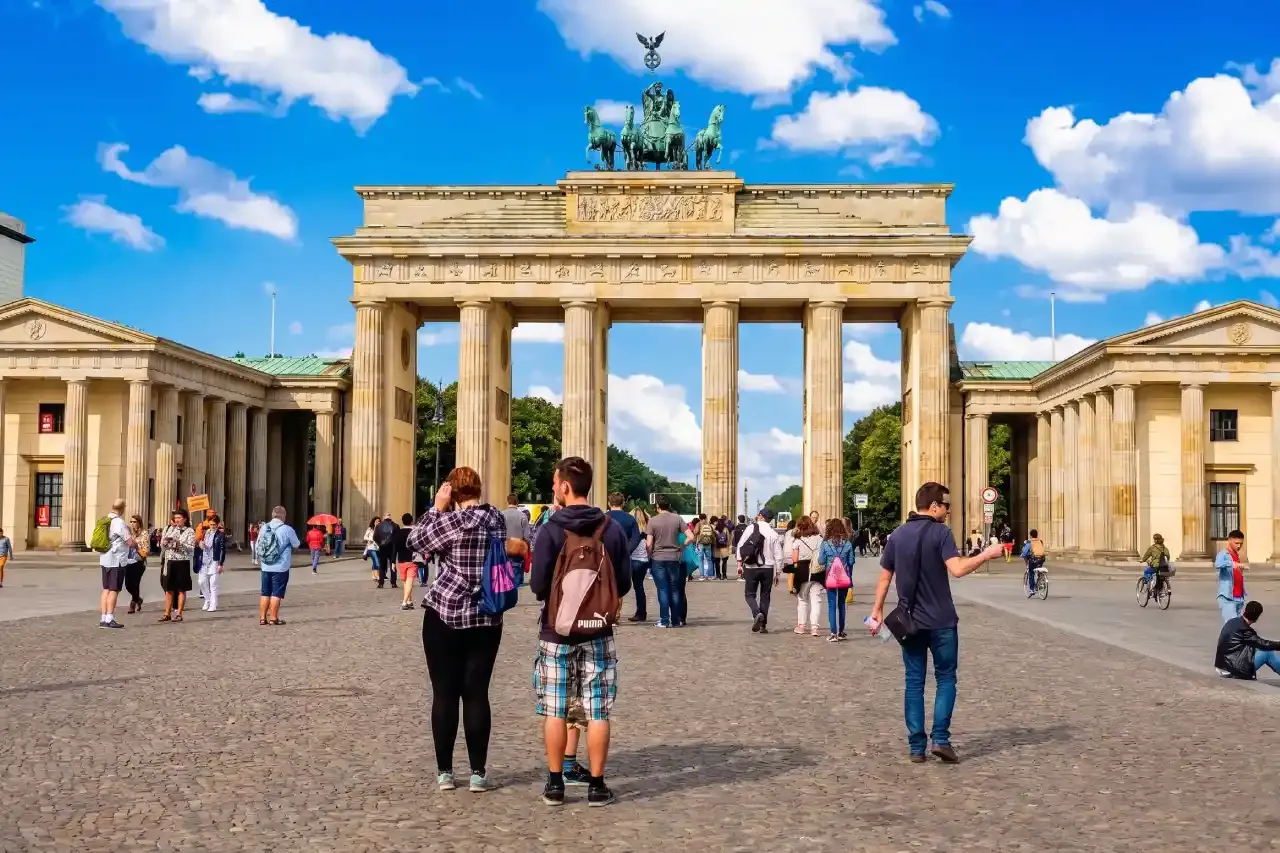
Berlin Walking Tours
Berlin Walking Tours allow visitors to explore the urban environment on foot. Guides direct groups through central districts and explain fundamental historical events.
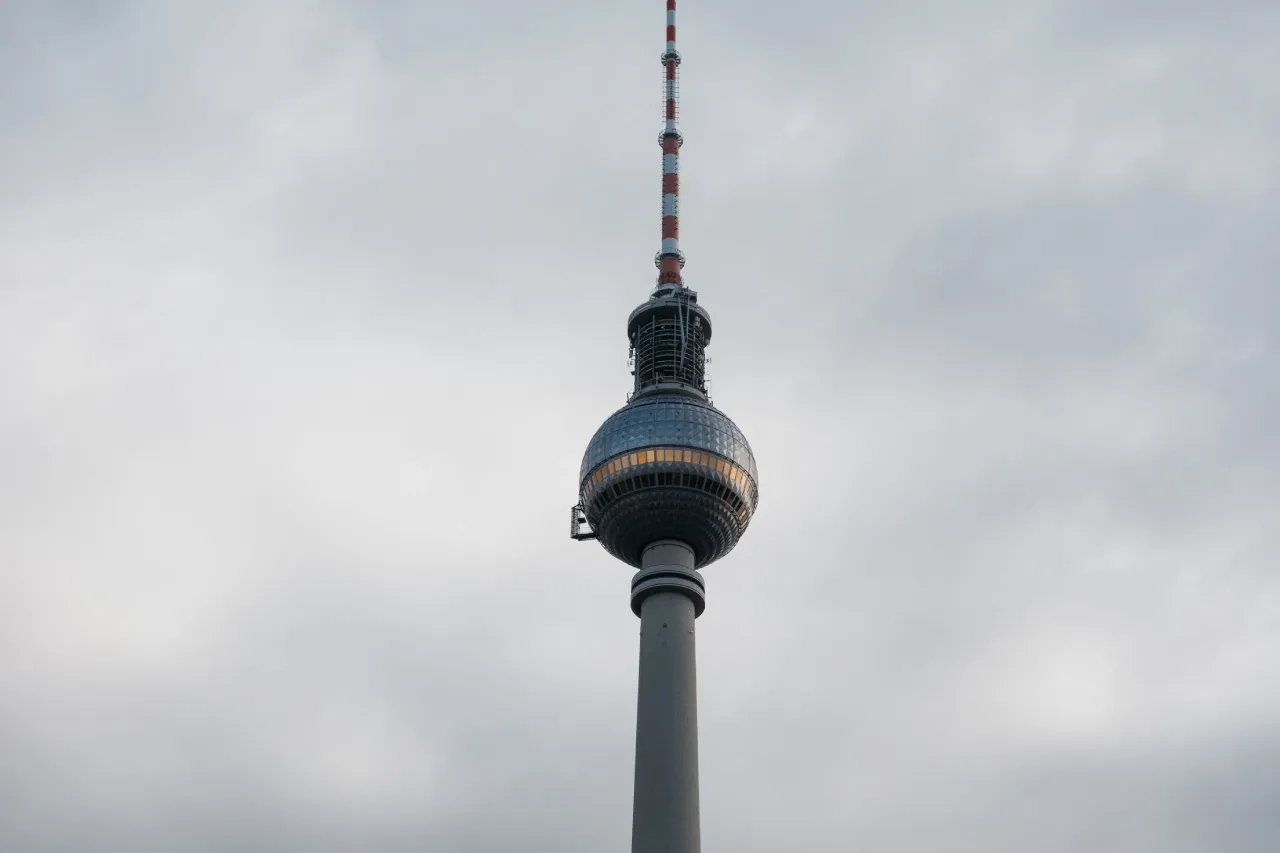
Berlin TV Tower
The Berlin TV Tower features an observation deck that provides complete panoramic views from Alexanderplatz. The structure dominates the city skyline.
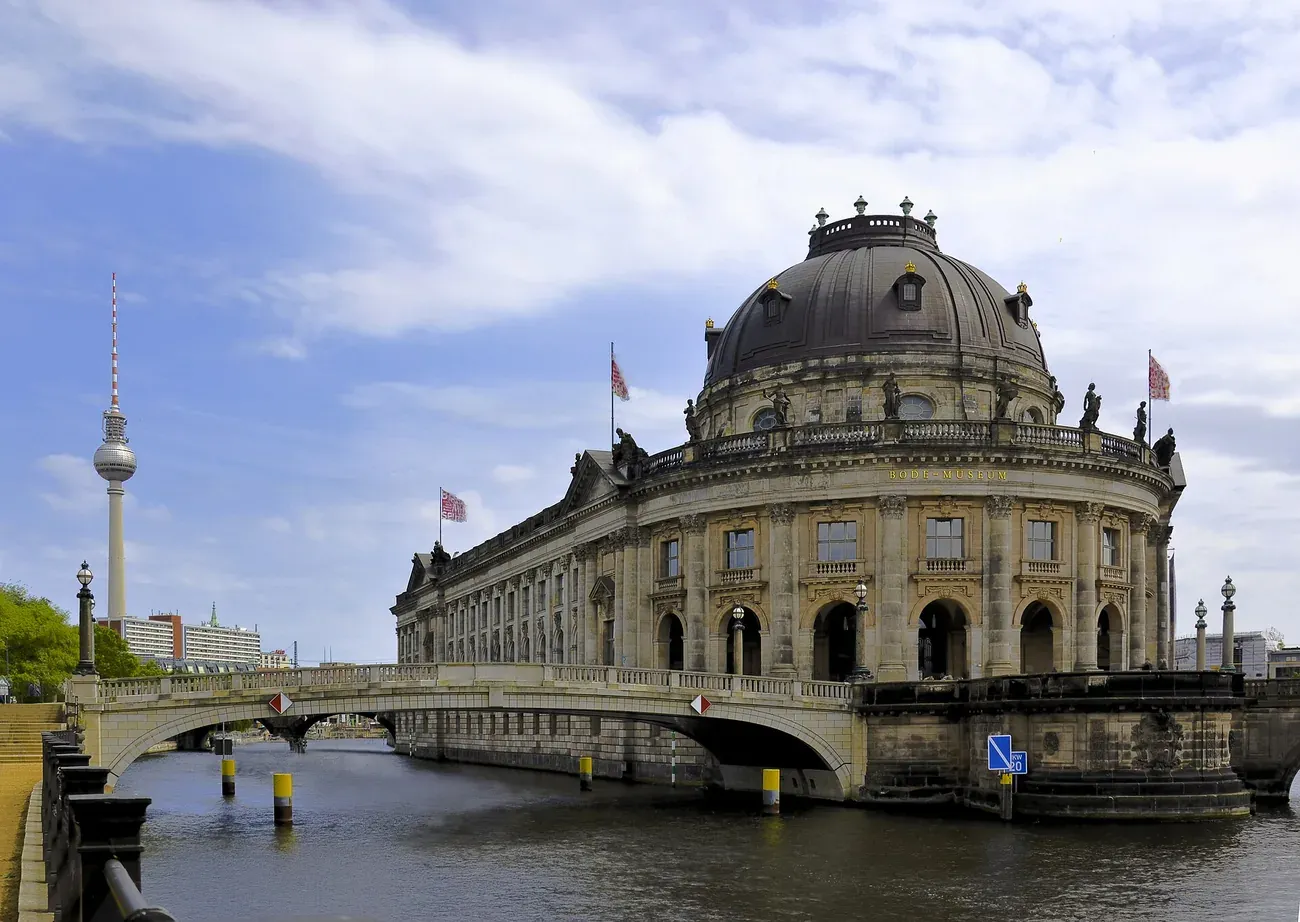
Bode Museum
The Bode Museum houses collections of sculptures, Byzantine art, and historical coins. The institution operates at the northern end of Museum Island.
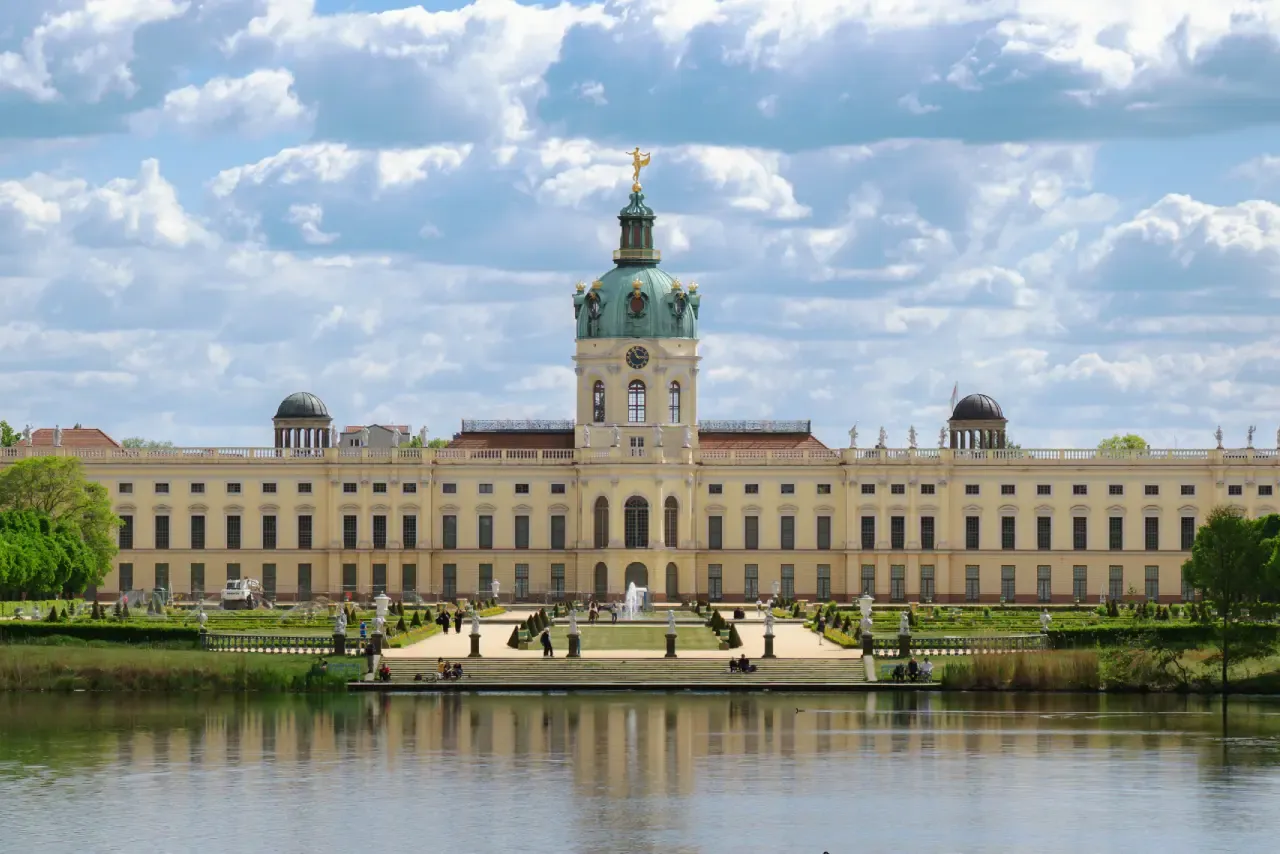
Charlottenburg Palace
Charlottenburg Palace displays baroque architecture and the history of Prussian royalty. The grounds include formal gardens that visitors walk through year-round.
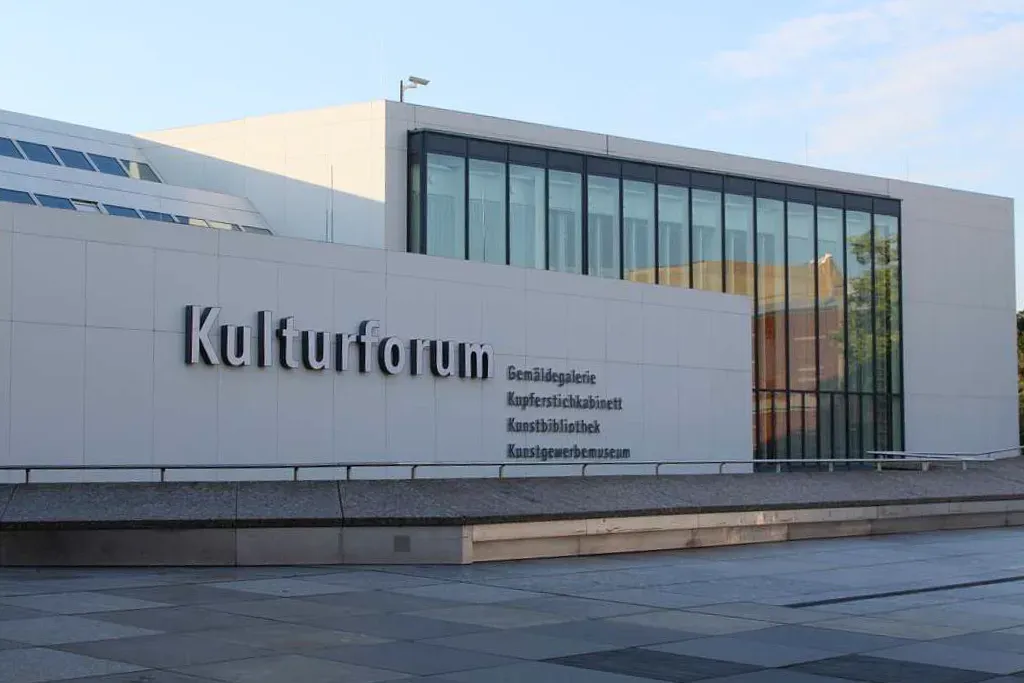
Gemäldegalerie
The Gemäldegalerie preserves a vast collection of European paintings dating from the 13th century to the 18th century.
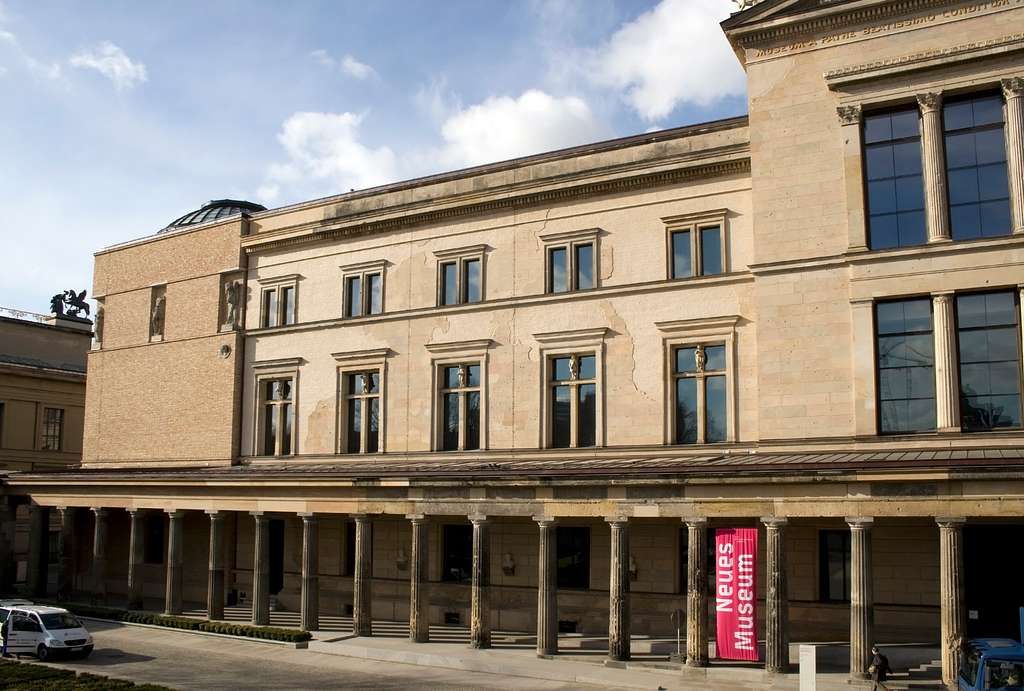
Neues Museum
The Neues Museum exhibits ancient Egyptian artifacts, prehistoric tools, and classical antiquities in restored 19th-century halls.
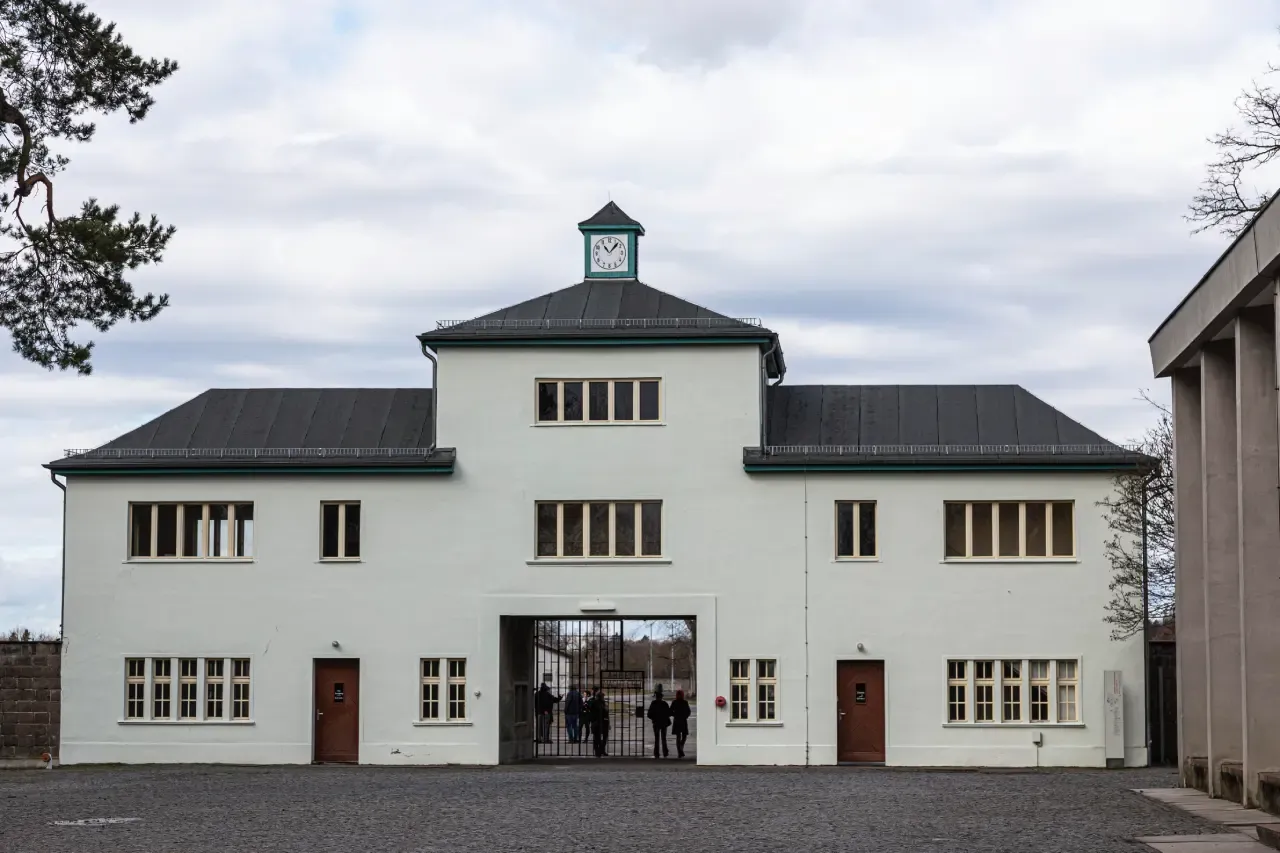
Sachsenhausen Concentration Camp
The Sachsenhausen Concentration Camp functions as a memorial site on the outskirts of the city. The location documents the history of the former compound.
Book your tickets for attractions in Berlin
More information about Berlin
Museum Island Pass
The Museum Island Pass grants single-day admission to seven Berlin venues, including the Neues Museum and Pergamonmuseum. Das Panorama. Before purchasing the pass, visitors must review operating schedules, transit connections, security regulations, and ticket packages.
What is the must-see museum in Berlin?
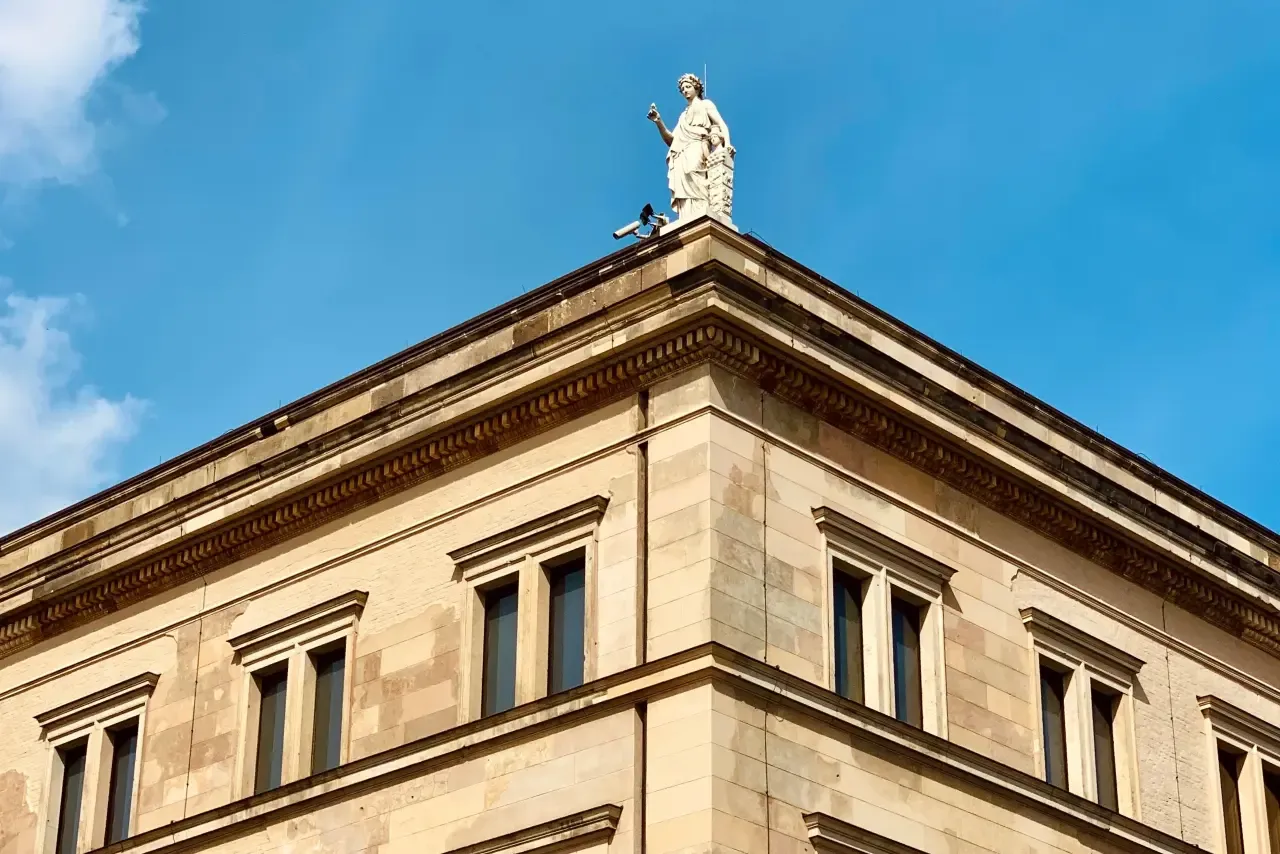
Berlin hosts over 170 venues, but one landmark emerges as the definitive must-see museum in Berlin for travelers. While this location houses world-renowned antiquities, surrounding districts offer collections covering 20th-century history, fine art, and modern architecture.