What is the must-see museum in Berlin?
Berlin features over 170 cultural venues displaying ancient artifacts, fine art, and modern history. Locating the primary must-see museum in Berlin offers travelers a clear starting point to explore the capital's broad cultural landscape.
What museum not to miss in Berlin?
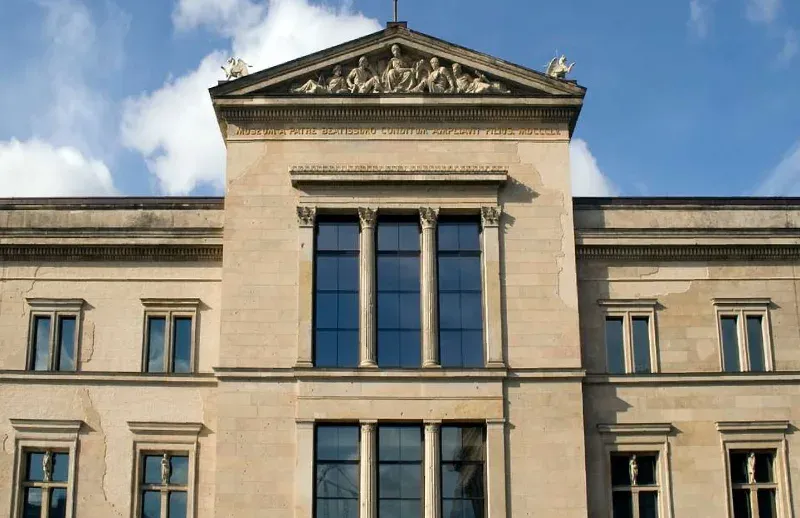
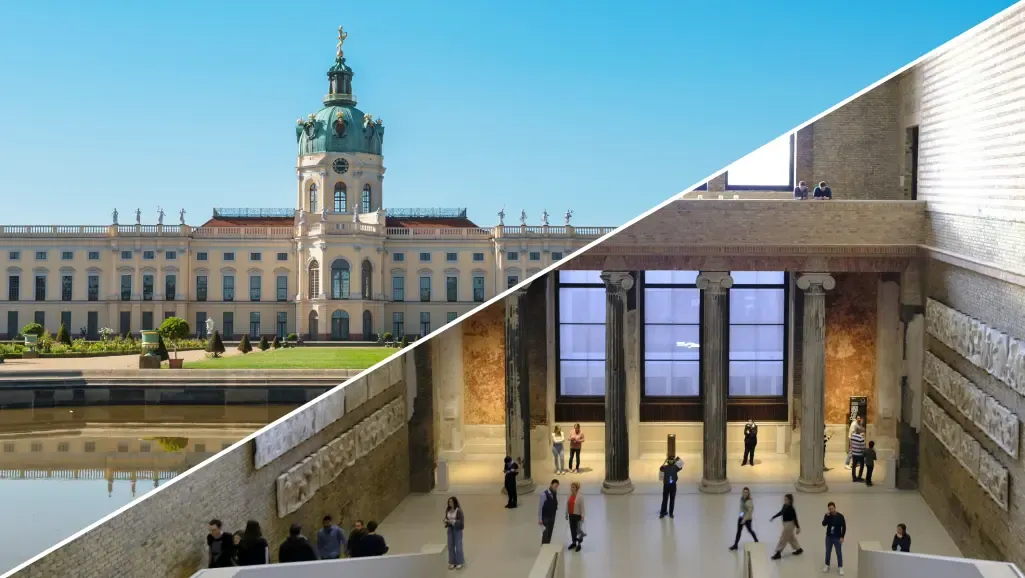
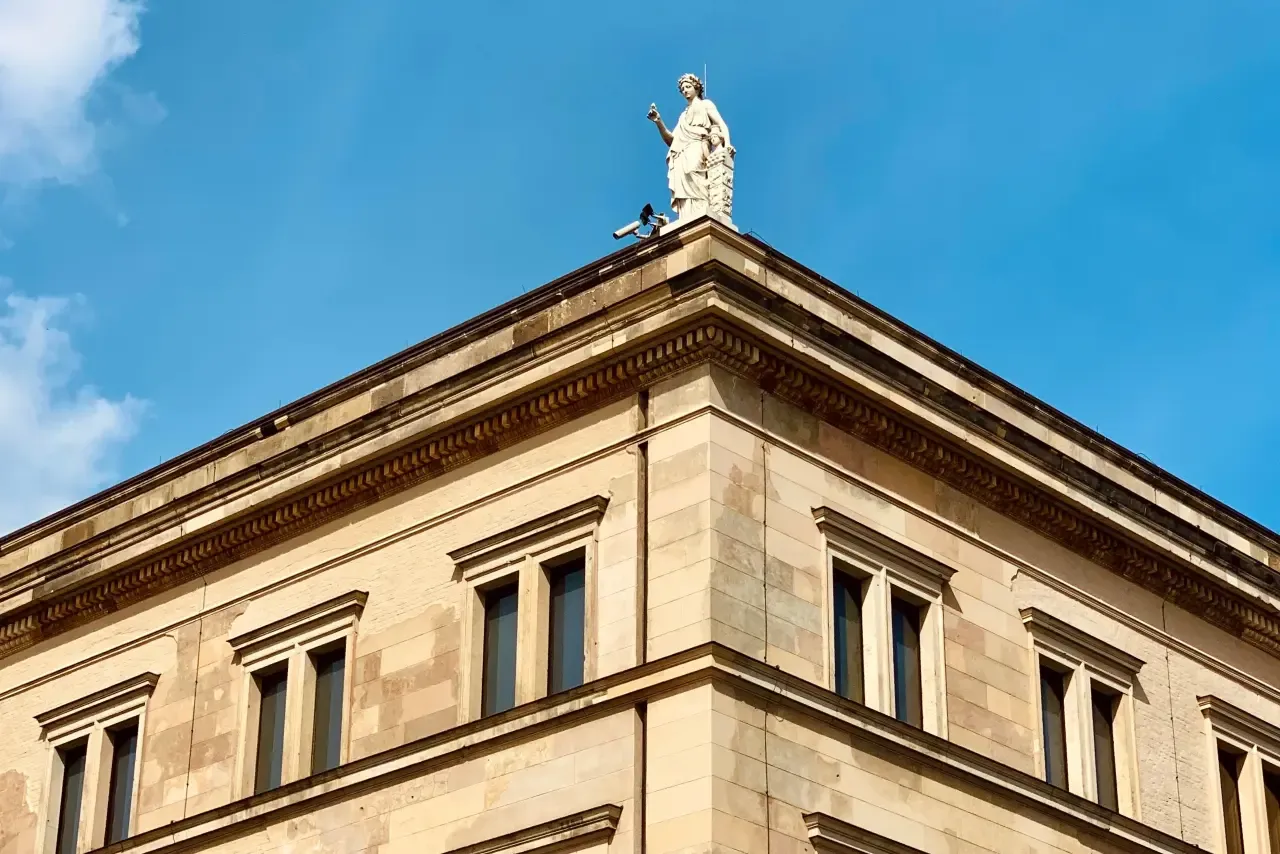
The Neues Museum stands as the central venue that visitors prioritize when exploring the city. Located on Museum Island, the reconstructed 19th-century building holds the Museum of Prehistory and Early History alongside the Egyptian Museum and Papyrus Collection. The global attraction remains the original 3,400-year-old limestone Bust of Nefertiti, displayed in a dedicated domed room.
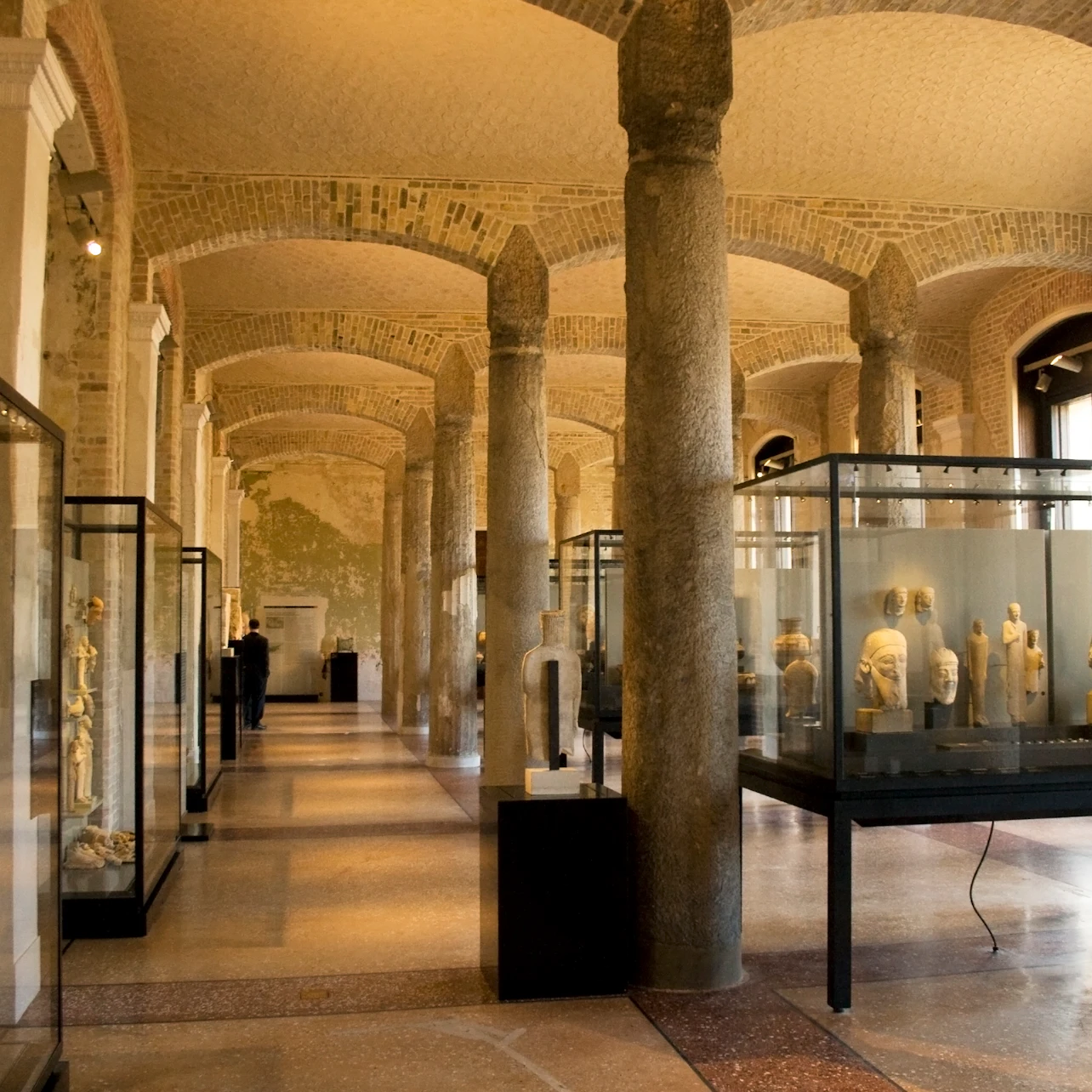
Extensive galleries showcase artifacts ranging from Stone Age tools to Bronze Age golden hats and classical antiquities. The venue combines restored architectural ruins with modern concrete elements to tell a layered story. However, determining the absolute priority depends on individual visitor interests, as several other cultural venues offer compelling collections across the capital.
Book your ticket to visit the Neues Museum
Other museums not to miss during your visit to Berlin
Berlin contains diverse cultural institutions outside the main central landmark. Travelers who purchase a Museum Island Pass secure streamlined access to major state collections, while smaller independent spaces showcase hidden gems in Berlin across suburban neighborhoods. The following table highlights prominent venues tailored to specific visitor preferences:
| Museum | Recommended visitor type |
|---|---|
| Pergamonmuseum. Das Panorama | Classical antiquity lovers and immersive history seekers |
| Alte Nationalgalerie | 19th-century art historians and classical painting lovers |
| DDR Museum | Families and interactive history seekers |
| Jewish Museum Berlin | Modern architecture and cultural history scholars |
| Bode Museum | Sculpture and Byzantine art enthusiasts |
| Gemäldegalerie | Classical European painting lovers |
Pergamonmuseum. Das Panorama
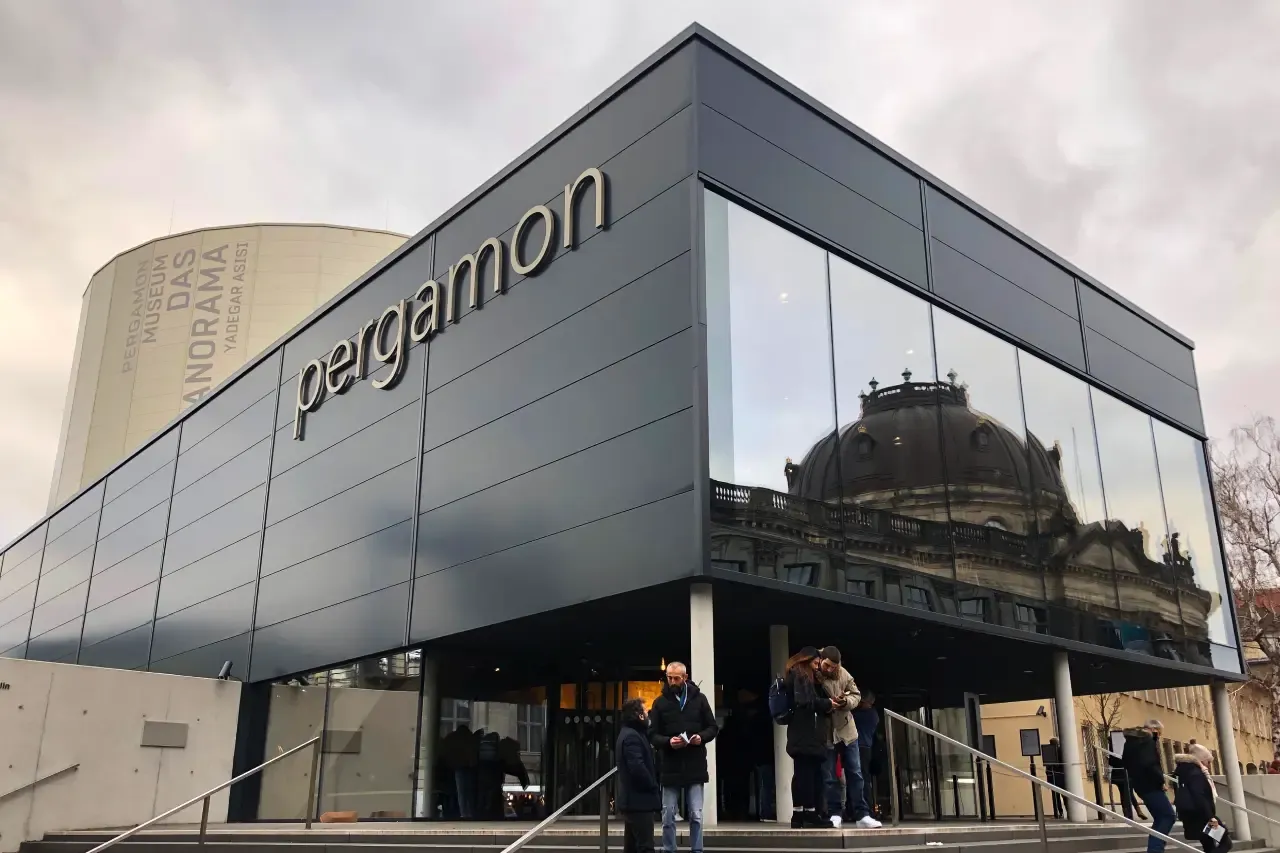
The Pergamonmuseum. Das Panorama operates as a temporary exhibition space located directly opposite Museum Island along the Kupfergraben canal. Created while the main museum building undergoes extensive architectural renovations, the venue showcases original Greek sculptures from the ancient city of Pergamon alongside a 360-degree digital installation by artist Yadegar Asisi.
Visitors ascend a central viewing tower to observe reconstructed temples, market streets, and acropolis terraces set during 129 AD under simulated day and night lighting cycles. Classical art lovers, architecture enthusiasts, and history students explore the rotunda to examine authentic marble friezes and experience ancient urban landscapes through immersive visual media and atmospheric acoustic soundscapes.
Alte Nationalgalerie
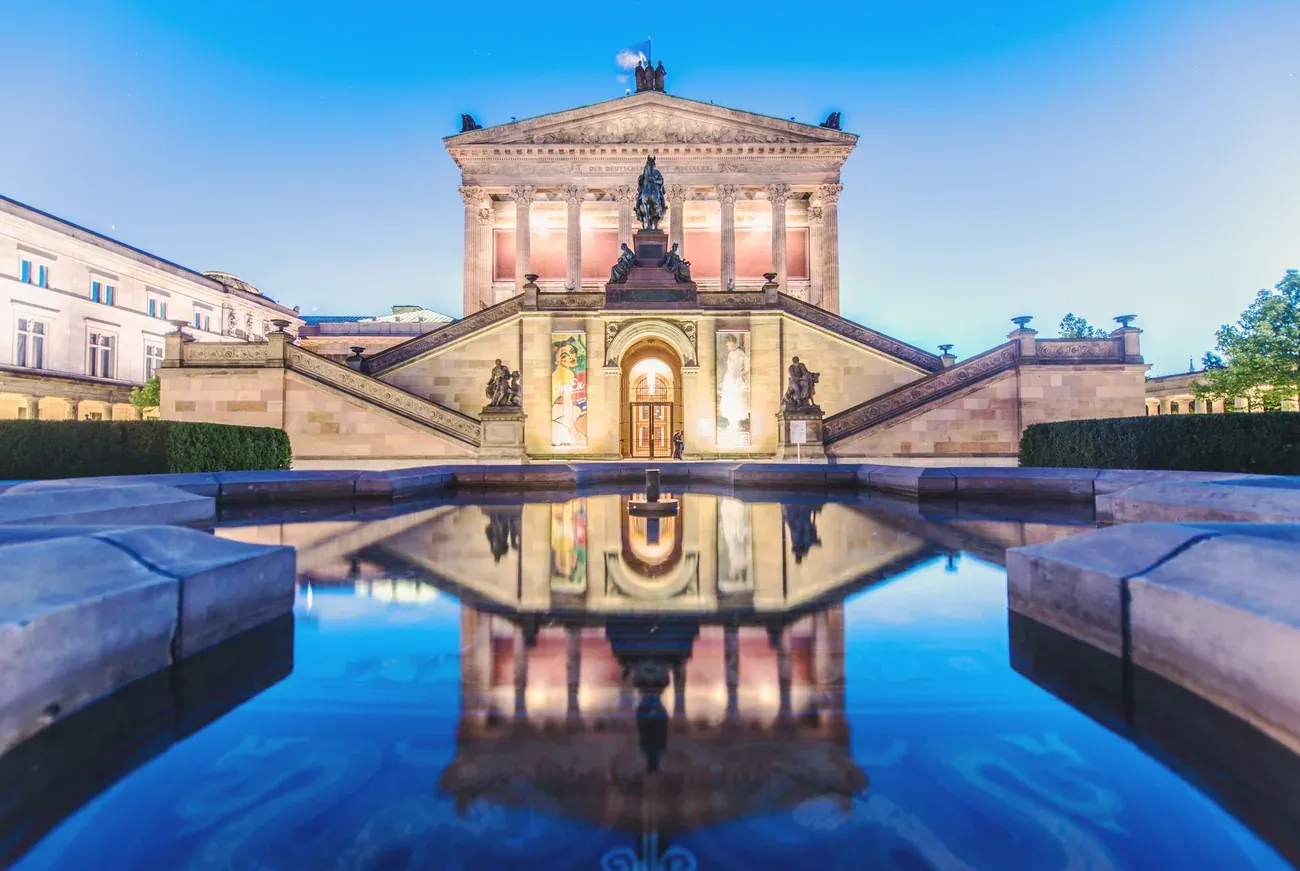
The Alte Nationalgalerie stands at the center of Museum Island inside a 19th-century building designed by Friedrich August Stüler to resemble a Roman temple. The museum displays a collection of 19th-century European paintings and sculptures, spanning Neoclassicism, Romanticism, Biedermeier, French Impressionism, and early Modernism. Visitors explore galleries containing iconic works by Caspar David Friedrich, Auguste Rodin, Claude Monet, and Adolph Menzel.
The elevated entrance staircase and equestrian statue of King Frederick William IV establish a prominent presence on the island. Art historians, classical painting enthusiasts, and architecture scholars visit the venue to analyze European artistic transitions and examine masterworks produced between the French Revolution and World War I.
DDR Museum
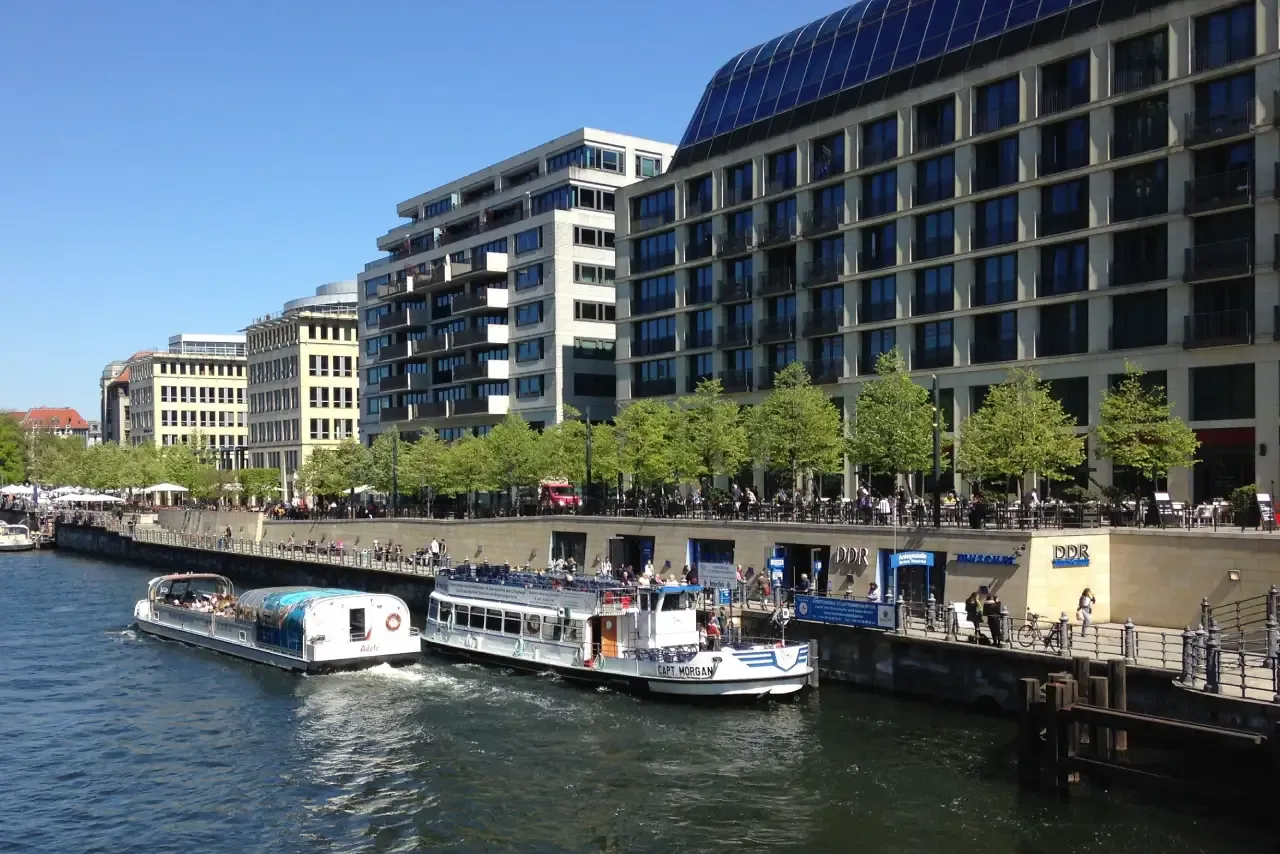
The DDR Museum provides an interactive exploration of daily life in former East Germany under communist rule. Situated along the Spree riverbank opposite the Berlin Cathedral, the museum encourages visitors to touch objects, open drawers, and enter reconstructed environments rather than observing items behind glass displays.
Guests walk through a reconstructed East German apartment, sit inside a Trabant automobile simulator, examine surveillance equipment used by the Stasi secret police, and learn about educational practices, work life, and consumer goods during the Cold War. Hands-on exhibits and multimedia stations allow families, students, and history enthusiasts to engage directly with 20th-century social history through everyday objects and domestic environments.
Jewish Museum Berlin
The Jewish Museum Berlin stands as one of the largest Jewish museums in Europe, housed in a modern building designed by architect Daniel Libeskind. The zinc-clad, zigzag structure integrates symbolic architectural features, such as slanted floors, concrete voids, and the outdoor Garden of Exile, to evoke themes of dislocation and memory.
Inside, core exhibitions document two millennia of German-Jewish history, covering social integration, artistic contributions, religious traditions, and persecution under the Nazi regime. Interactive media, personal artifacts, and historical documents guide visitors through complex historical periods. Architecture enthusiasts and cultural scholars explore the symbolic building layout while gaining comprehensive insights into Jewish heritage across Germany.
Bode Museum
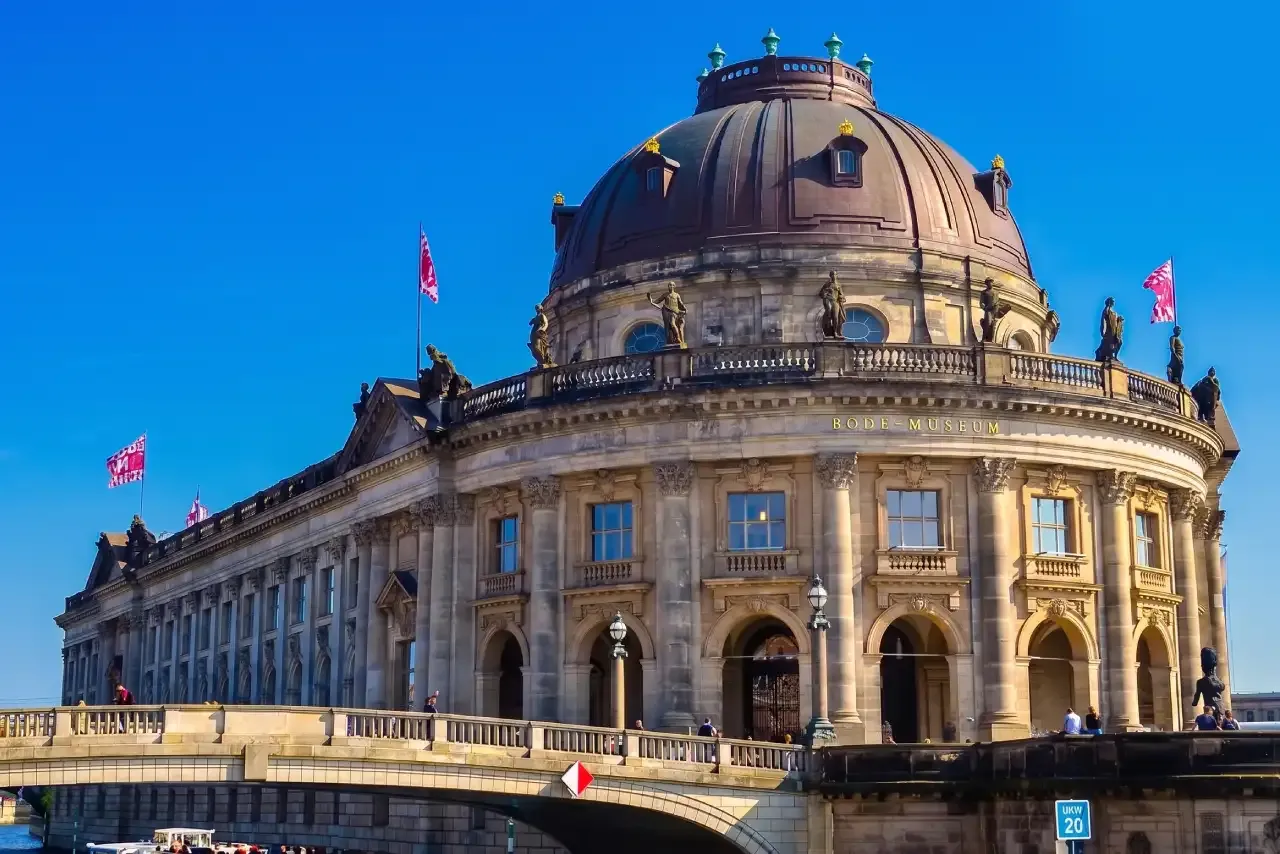
The Bode Museum occupies the northern tip of Museum Island at the junction of the Spree River and the Kupfergraben canal. Designed in the neo-baroque style by architect Ernst von Ihne, the building houses one of the largest sculpture collections in Europe, alongside the Museum of Byzantine Art and the Numismatic Cabinet.
Visitors explore halls containing medieval Italian sculptures, gothic altarpieces, and rare coins dating from antiquity to the modern era. The central dome and grand marble staircase reflect early 20th-century German museum design. Scholars and art lovers examine original works by Donatello, Tilman Riemenschneider, and Italian masters while enjoying quiet, expansive gallery spaces overlooking the central river.
Gemäldegalerie
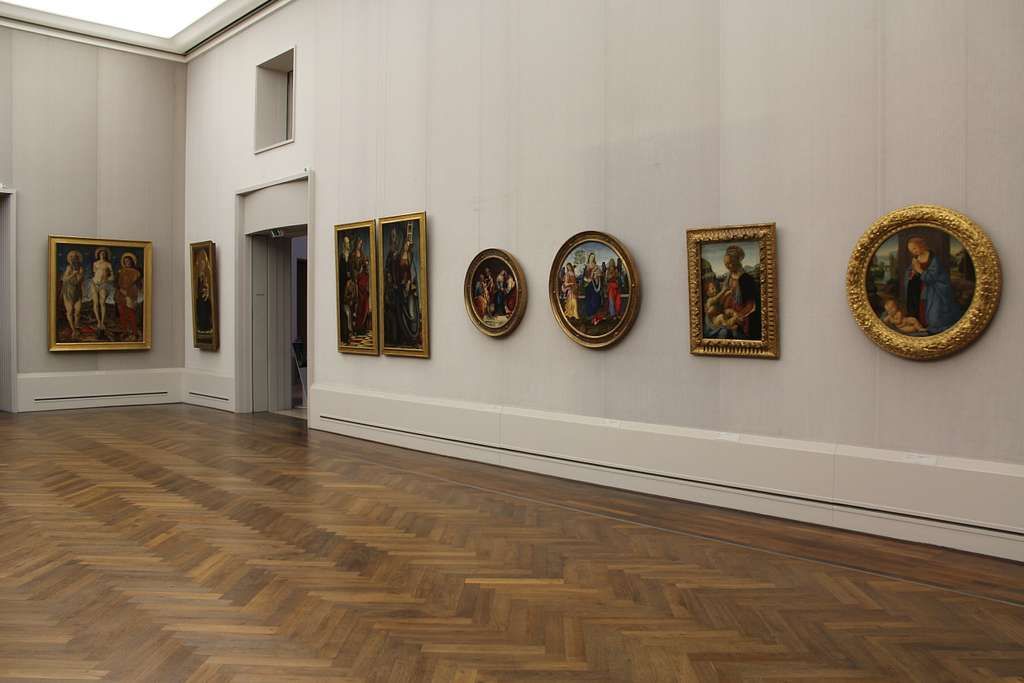
The Gemäldegalerie, situated within the Kulturforum complex near Potsdamer Platz, preserves one of the world's finest collections of European paintings from the 13th to the 18th century. Designed with spacious, naturally illuminated rooms arranged around a central hall, the gallery displays masterpieces by Old Masters, including Rembrandt, Caravaggio, Vermeer, Rubens, Jan van Eyck, and Albrecht Dürer.
Visitors view iconic oil paintings, religious altarpieces, and royal portraits that demonstrate the evolution of European artistic styles from the early Renaissance through the baroque period. Art historians and classical painting lovers appreciate the systematic arrangement, scientific conservation standards, and detailed text panels provided throughout the 50 gallery rooms.